Education
Turma do Jiló: Inclusive Education and Fighting School Dropout
Turma do Jiló: Transforming education and mobility for an inclusive society.
Turma do Jiló, a project born from a mother's personal experience, champions inclusive education in public and private schools. They aim to transform society's perspective on diversity, combating school dropout and promoting accessibility. Discover how this initiative impacts thousands of lives in Brazil.
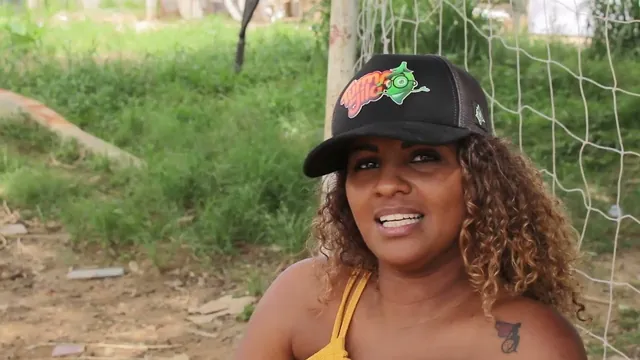
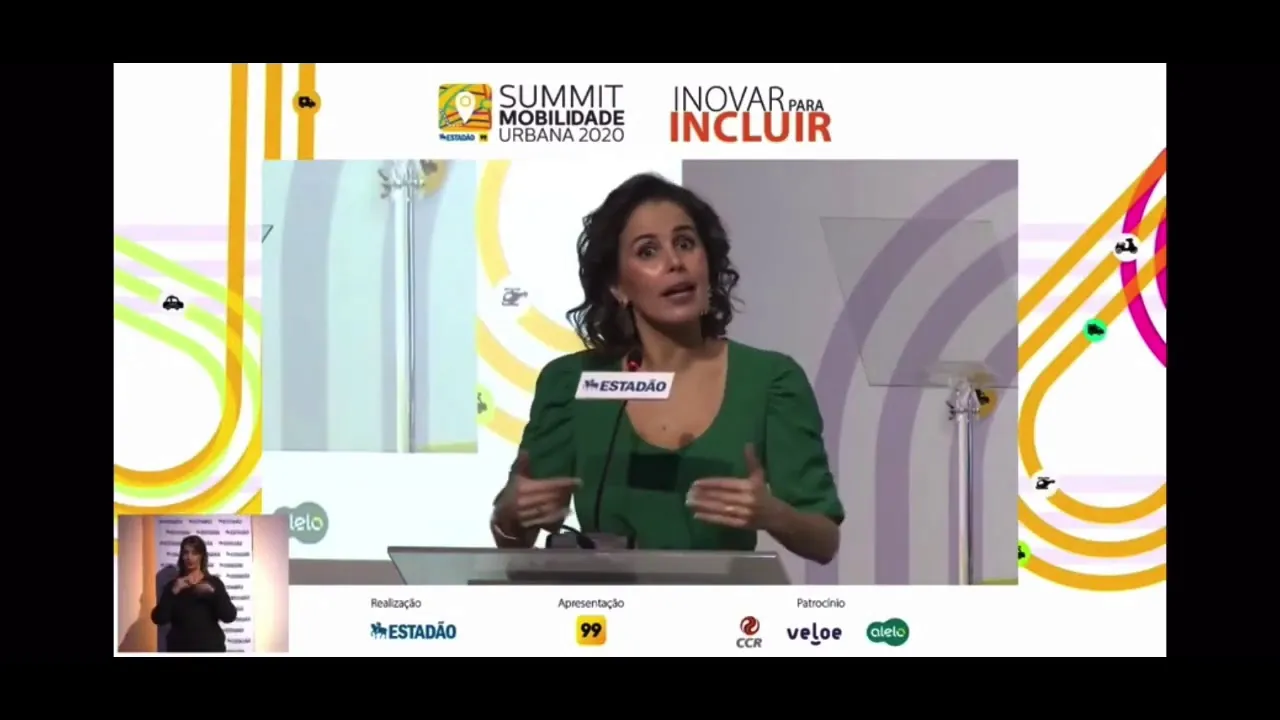
The Turma do Jiló video, presented at the Estadão Urban Mobility Summit 2020, offers a profound reflection on inclusive education in Brazil. Born from the personal experience of João's mother, whose child has Sacral Pelvic Syndrome, the project has evolved into an ecosystem that promotes inclusion in schools and businesses, building bridges for a more just and welcoming society.
PUBLICIDADE (GAM) — 1250x250
The Purpose of Turma do Jiló: Transforming Perspectives
Turma do Jiló works to ensure that children with disabilities are included in all spaces, especially in schools. They believe that education is the key to transforming social perception of diversity and inclusion. Since 2015, the initiative has already benefited over 8,000 students and families and trained more than 700 teachers, demonstrating a significant impact on Brazil's educational landscape.
Fighting School Dropout with Inclusion
School is the primary environment for any citizen's development, fundamental for autonomy and independence. However, for many children with disabilities, it becomes a significant barrier. Brazil faces a serious problem of school dropout, with over 40% of young people leaving basic education and one in four dropping out of high school.
In contrast, in schools served by Turma do Jiló, dropout rates are extremely low, reaching 0.5%. The main reasons for dropout, such as the need to enter the job market, prejudice, and violence within the school environment, are directly addressed by the project's inclusive approach. For Turma do Jiló, the solution to dropout is to invest in education for all, making school attractive and welcoming.
Accessibility: A Comprehensive Concept
Accessibility extends far beyond a school's physical structure. It requires ensuring adequate communication, pedagogical materials, and teaching resources. However, the issue is even more complex: education is not limited to the school environment. The lack of accessibility in cities, culture, healthcare, and leisure creates social exclusion that prevents the full development of young people.
The absence of inclusive urban mobility in cities is a huge barrier, preventing our children from becoming autonomous and economically active. If a child cannot even get to school or navigate the city, their inclusion is compromised on multiple fronts.
Universal Design: The Key to an Inclusive Future
A good practice for mobility and inclusion in general is the concept of Universal Design. The idea is simple yet powerful: products, services, and environments should be conceived with a design that can be used by everyone, without the need for specific adaptations for minorities. This means everything should be designed to be inclusive from the outset, considering the diverse needs and capabilities of the population.
Adopting Universal Design is a fundamental step toward building a future where no one is left behind. Turma do Jiló reminds us that, with intentionality and planning, we can create a society where education and mobility are accessible rights for everyone, ensuring that every individual can develop fully.
PUBLICIDADE (GAM) — 1250x250