Education
Structural and Institutional Racism: Unveiling the Meaning
Understand how racism goes beyond individual acts and manifests in social structures
Discover the difference between structural and institutional racism, understanding how these forms of discrimination shape our society. Learn why it's not enough to simply not be racist; it's essential to recognize and transform the structures that perpetuate inequality. An essential guide from Turma do Jiló for conscious action.
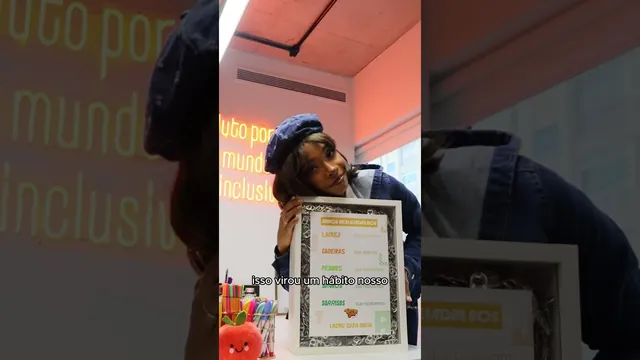
In #JilóTeaches, Turma do Jiló, with the participation of Sheila Pinheiro, unravels the complex layers of racism in Brazil. This article, based on the proposed reflection, explores what structural racism and institutional racism are, showing how this reality extends far beyond individual prejudices, rooting itself in our society and institutions.
PUBLICIDADE (GAM) — 1250x250
Structural Racism: Society's Unwritten Rules
Often, when we think of racism, we associate it with explicit acts of hatred or direct offenses. But structural racism is more subtle and pervasive. It manifests in the "unwritten rules" of our society, in laws, schools, spaces of power, and small daily decisions. It's when a Black person has to work twice as hard to achieve the same opportunity, or when representation in history books or the media is almost non-existent.
This type of racism doesn't depend on malicious individual intentions, but rather on a system that, historically, marginalizes and disadvantages specific racial groups. As Turma do Jiló explains, it's as if society has a "level playing field," but with foundations that already favor some at the expense of others.

Institutional Racism: Inequality Within Organizations
When structural racism manifests within specific organizations and institutions – such as companies, schools, hospitals, or public bodies – we call it institutional racism. Here, racism does not emanate from a particular individual, but from the institution's own functioning, its policies, practices, and culture.
This is evident, for example, in the lack of Black people in leadership positions, in data on political underrepresentation, or in studies on maternal mortality among Black women. These are clear pieces of evidence of institutional racism in action, demonstrating that opportunities and treatment are not equal for everyone, even within systems that are supposed to be neutral. Turma do Jiló's analogy is precise: if structural racism is the uneven ground, institutional racism is "every building, every company, every hospital that was built crooked on top of that ground."
Transformation Begins with Recognition and Conscious Action
Given all this, it becomes clear that it's not enough to say "I'm not racist". True change begins when we understand that the problem is collective and requires direct confrontation from everyone. Recognizing the existence and impact of structural and institutional racism is the first and most crucial step to transforming them.
A more just and inclusive world is not built merely with good intentions, but with conscious actions that question and dismantle these structures. Turma do Jiló reminds us: "To know is to always include."
Understanding structural and institutional racism is the starting point for building a truly inclusive society. Turma do Jiló invites us to move beyond individual denial and face the collective challenge of transforming the foundations that uphold these inequalities. Action and knowledge are the keys to a more just future for all.
PUBLICIDADE (GAM) — 1250x250