Education
Real Inclusion: Is Your School or Company Truly Ready?
Understand why inclusion goes far beyond good intentions and demands practical accessibility in every detail
True inclusion requires more than just stating a desire for diversity. It's crucial to ensure that selection processes and educational environments are truly accessible to everyone, considering individual needs. Discover the challenges and the importance of removing barriers.
The Turma do Jiló channel has a clear purpose: Inclusive Education and Diversity. But what does true inclusion mean in practice? Often, the intention is good, but the execution falls short. A recent account from our team perfectly illustrates this challenge, showing how accessibility needs to go beyond rhetoric, in both corporate and educational settings.
PUBLICIDADE (GAM) — 1250x250
Inclusion: From Intention to Accessible Reality
The discussion began with a direct example from the job market. Recently, we received a request from a large company seeking diversity and inclusion to fill its vacancies. The invitation was to share with our network, which includes many people with disabilities. However, upon reviewing the job links, the reality proved to be quite different.
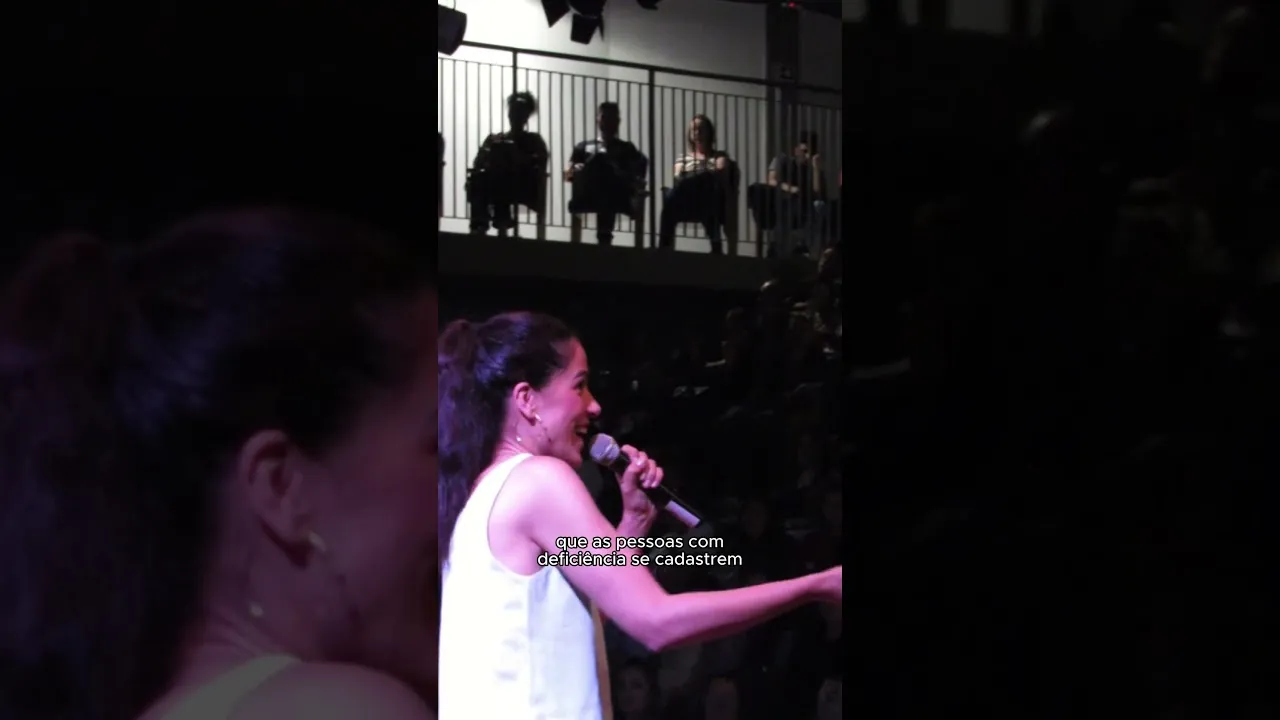
The website lacked essential digital accessibility features, such as image descriptions, Libras interpretation, or adequate color contrast. "Alternative job for whom?" questioned the voice of Turma do Jiló, highlighting the inequity embedded in the offer. How can we expect people with different needs to apply if access to information itself is an insurmountable barrier?
Removing Barriers, Not People
This scenario leads us to reflect on the true meaning of inclusion. It's not about "removing a person's disability from the world," but rather about removing the barriers that the world imposes on them. Accessibility must be considered from the very conception of any process or environment.
Whether on a recruitment platform or in a classroom, it is fundamental that each individual's unique needs are considered. A lack of sensitivity to specific needs negates any good intention for diversity.
Beyond Job Openings: Inclusion in Schools
The same logic applies to the school context. A truly inclusive school is not just one that welcomes, but one that adapts its structures and methodologies so that everyone can learn and participate fully. "Either we look at everyone's individual needs, or we'll lose our memory," the reflection provokes. It's not enough to have "immersion programs" or one-off initiatives; full inclusion demands continuous cultural and structural transformation.
The Challenge of Sensitivity and Empathy
In essence, Turma do Jiló's discussion underscores the importance of sensitivity and empathy to build truly welcoming environments. Inclusion is not a bonus, but an essential pillar for a just and equitable society. We need to go beyond campaigns and invest in actions that translate intention into reality for all people.
Turma do Jiló's message is clear: inclusion cannot be halfway. It demands a genuine commitment to accessibility, equity, and the recognition of individual needs. We must go beyond "wanting to be inclusive" and implement concrete actions that ensure no one is left behind. After all, is your school or company truly inclusive?
PUBLICIDADE (GAM) — 1250x250