Education
Prejudice and Neuroscience: Deconstructing Unconscious Biases
Understand how neuroscience explains prejudice and learn to deconstruct unconscious biases for a fairer society
Unravel prejudice through the lens of neuroscience with Turma do Jiló. Discover the truth about brain plasticity, affinity bias, and the difference between prejudice and discrimination. Learn how to dismantle these patterns and promote inclusion.
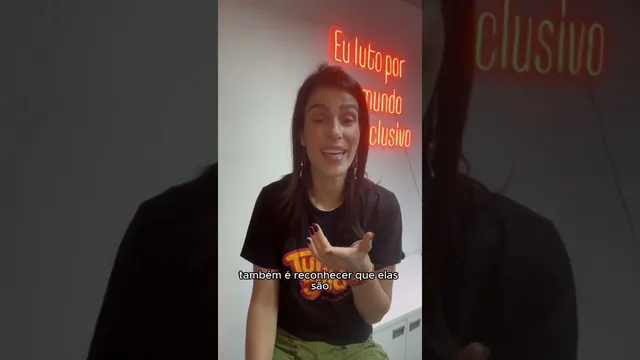
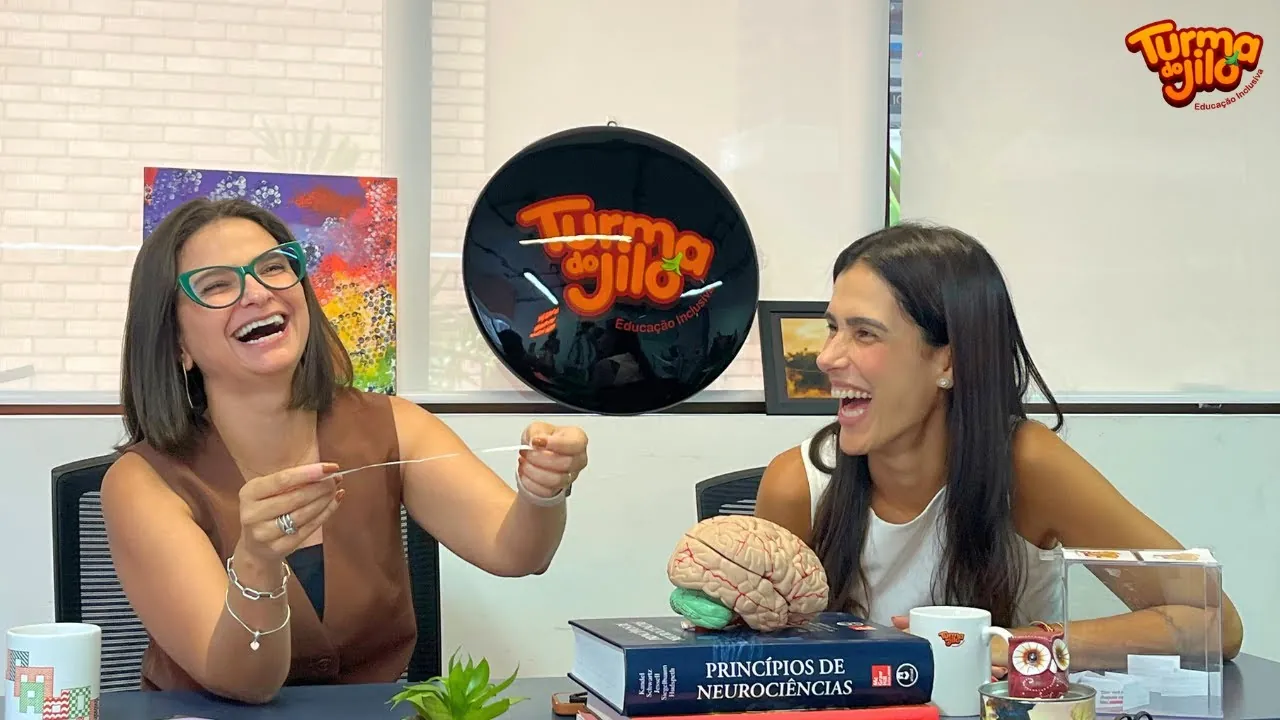
In the "Jiló Teaches" segment of Turma do Jiló, Carolina Videira, co-CEO and founder, and Adriessa Santos, education director, dive into a dynamic chat about prejudice and neuroscience. In a "True or False" format, they demystify concepts and offer valuable insights to understand and combat prejudice.
PUBLICIDADE (GAM) — 1250x250
Neuroplasticity: Your Brain Can Change
It's a myth that brain plasticity only occurs in childhood, making the deconstruction of prejudices impossible in adulthood. False! Brain plasticity, also known as neuroplasticity, is our brain's ability to make and unmake new connections throughout life. This means we are capable of learning and unlearning at any age, deconstructing old thought patterns and prejudices. Our brain is plastic, meaning it's adaptable and constantly transforming.
Affinity Bias: The Trap of Similarity
It is true that affinity bias occurs because the brain tends to activate reward circuits when interacting with people who are similar to us. This bias can influence decisions, such as in recruitment, where one might unknowingly prefer a candidate due to similar tastes or characteristics. Recognizing this bias is fundamental to prevent its unconscious reproduction, seeking a more active awareness in our choices.
Inclusive Language and the Difference Between Prejudice and Discrimination
Saying things like "You don't even seem to have a disability/be old" is not an inclusive compliment; it's false and, in fact, exclusive. These phrases reinforce the idea that there is something wrong with having a disability or being older. The tip is: refer to people by name and do not use characteristics as a form of description, unless relevant. Furthermore, it is true that prejudice is an opinion or idea formed without knowledge — which can be positive or negative — while discrimination is the practice of treating someone differently based on that prejudice. Discrimination, unlike prejudice which we can all have, is a crime.
Deconstructing Biases: Awareness and Intentionality
It is false to state that it's impossible to reduce the impact of unconscious biases because they are fixed and biologically determined. As we saw with neuroplasticity, our brain is not static. We are the result of our biology combined with the environment we are in. The environment and the representation we experience are crucial. Having an unconscious bias does not automatically mean you are prejudiced; this is false. Biases are common, but knowledge and intentionality in learning and unlearning are key to undoing them. Every brain is capable of learning and adapting.
The final reflection is clear: knowing our brain and its plastic capacity offers us the opportunity to change. With intentionality and knowledge, we can deconstruct prejudices and build a more inclusive and welcoming world for everyone. Change is within our reach; we just need to be willing to learn and act.
PUBLICIDADE (GAM) — 1250x250