Education
PEI: Turma do Jiló and Its Impact on Brazilian Inclusive Education
Discover the program transforming public schools into equitable and welcoming environments for all
Turma do Jiló's Inclusive Education Program (PEI) has been revolutionizing public schools in Brazil since 2016. Using a 360° methodology, it combats school dropout rates and bullying while promoting diversity, preparing students and educators for a more just future. Thousands of students and teachers have already been impacted, demonstrating that inclusion is both possible and transformative.
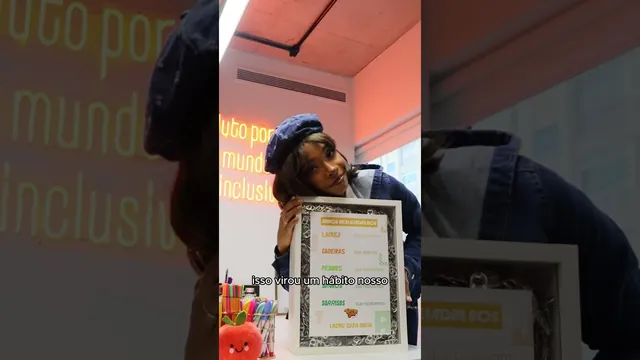
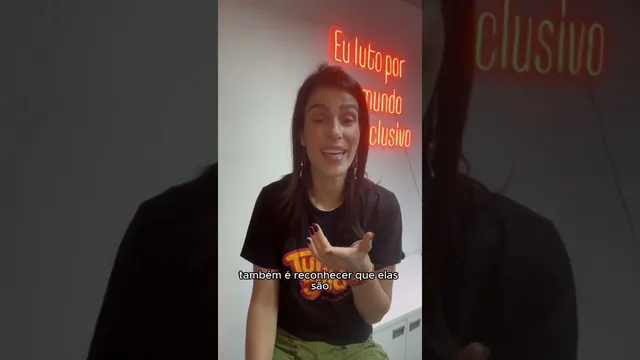
In this episode of the "How to Generate Impact?" series, Turma do Jiló introduces us to the Inclusive Education Program (PEI), an initiative that, since 2016, has held the audacious goal of transforming public schools into spaces where diversity is celebrated and equity forms the basis of learning. With insights from educators and coordinators experiencing this reality firsthand, we discover how PEI works to change Brazil's educational landscape.
PUBLICIDADE (GAM) — 1250x250
Challenges in Education and PEI's Actions
Brazil faces alarming educational statistics: millions of young people drop out of school, and cases of bullying and cyberbullying are frequent. PEI emerges as a direct response to these challenges, promoting inclusive practices and continuous training that strengthen the entire school community. The mission is clear: to ensure that no one is left behind, regardless of disability, race, gender, or social condition.
A 360° Methodology for Real Impact
PEI's work begins with an in-depth diagnosis of each school, followed by the application of a 360° methodology that lasts two years. In the first year, they focus on teacher training and initial activities with students and families. In the second year, specialized rooms, entrepreneurship projects, and the formation of support networks are implemented. This comprehensive approach ensures that inclusion is systemic and long-lasting.
Concrete Results and Inspiring Stories
Since 2016, PEI has impacted over 10,000 students, 10,000 families, and 1,000 teachers and coordinators. These numbers translate into:
- Reduced school dropout rates
- Increased family participation
- More accessible classes and respect for diversity
- More engaged, empathetic, and future-ready students.
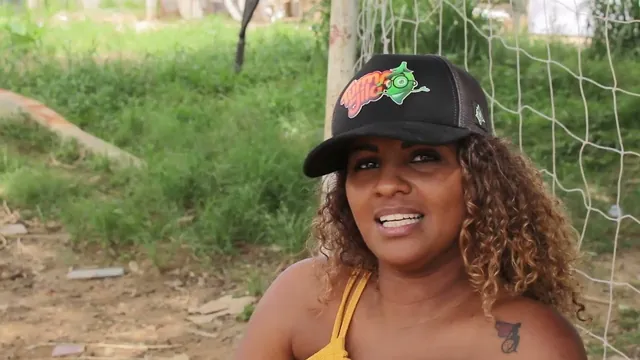
Educators' stories are living proof of this impact. One teacher, who previously felt unprepared to work with deaf or low-vision students, shared how PEI's training and the creation of a more detailed Individual Development Plan (IDP) changed her perspective. "We can adjust the level of difficulty, sometimes more, sometimes less, and this way everyone can complete the proposed activities," she reports.
Diversity as a Strength
Somara, PEI coordinator at IMEF Gonçaginha, highlights the complexity of Brazilian public schools. She points out that these schools house 90% of the Black population, 90% of the population with disabilities, and 90% of the country's most vulnerable population. PEI works on three pillars – teachers, families, and students – to fill knowledge gaps and offer a space for their voices. Director Marília de Santos, from IMEF Luiz Gonzaga do Nascimento Júnior (Gonzaguinha), in Heliópolis, emphasizes that the partnership with PEI is strategic for "community building in general," seeking consensus on inclusive education that respects the institution's 1,200 students.
In 2025, Turma do Jiló's PEI aims to expand to more schools, with the dream of seeing a Brazil where every public school is truly inclusive. This transformation is only possible with the support of those who believe in the power of education to create a more just and egalitarian future for all.
PUBLICIDADE (GAM) — 1250x250