Education
Marinalva Cruz: Self-Discovery and Acceptance with a Disability
Marinalva shares her inspiring journey of acceptance and overcoming prejudice.
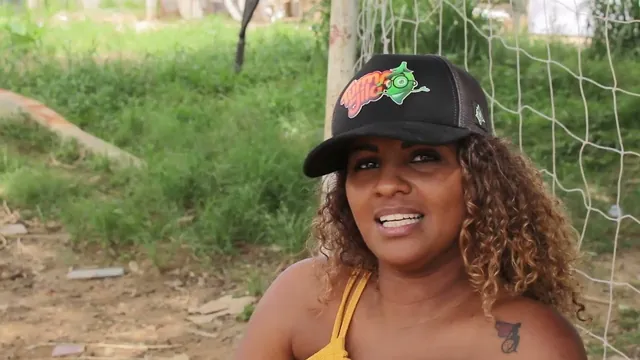
In a chat with Turma Roxa, Marinalva Cruz from Turma do Jiló opened up about her journey of self-discovery. She detailed how she overcame prejudice, first against herself, then from others. Her story is an invitation to reflect on acceptance and understanding.
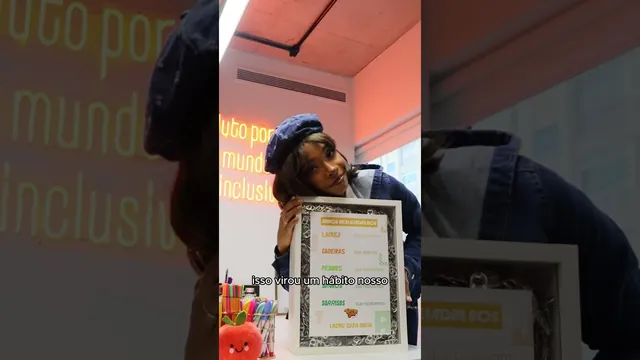
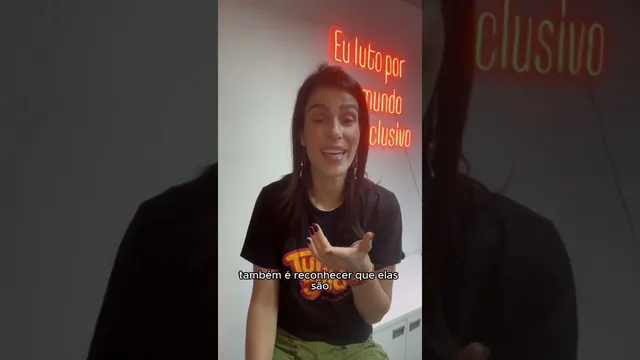
At the recent #FalaVJ meeting, Turma Roxa Young Volunteering from Turma do Jiló hosted a special guest for a transformative discussion: Marinalva Cruz. The central theme was Persons with Disabilities, and Marinalva shared her moving journey of self-discovery, overcoming prejudice, and, fundamentally, the quest for self-acceptance.
PUBLICIDADE (GAM) — 1250x250
The Challenge of Self-Acceptance: Overcoming Internal Prejudice
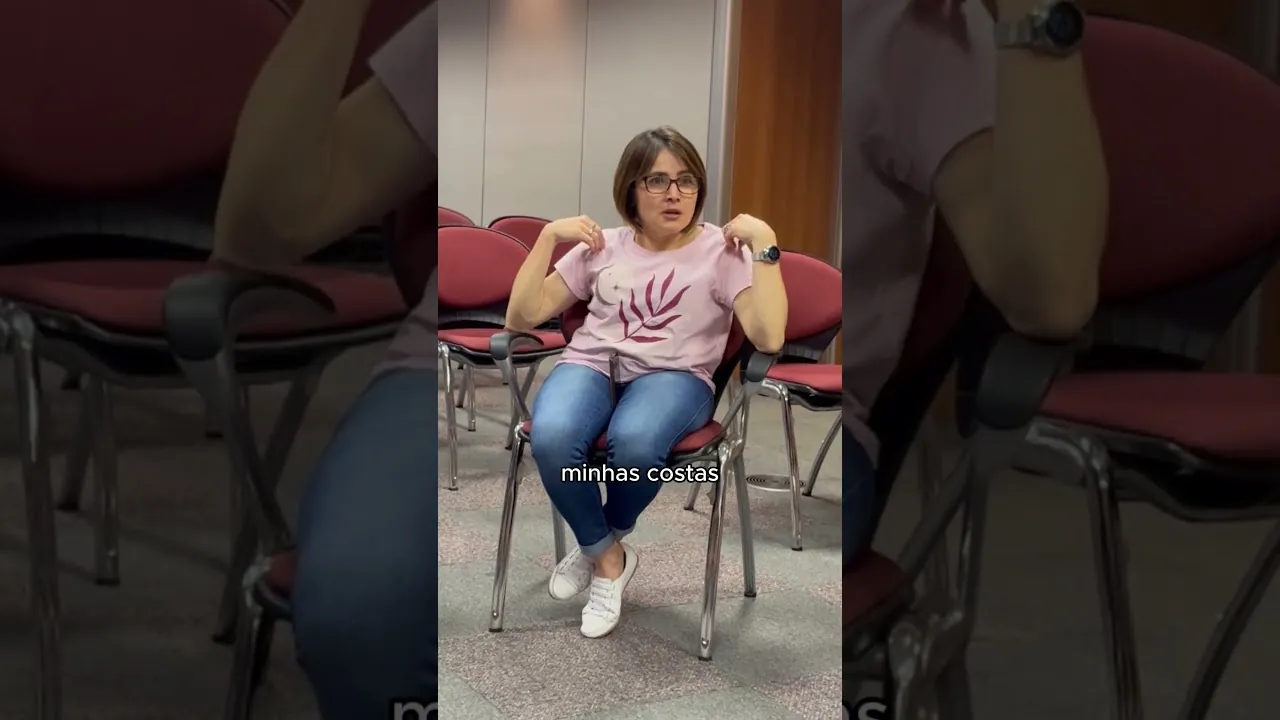
Marinalva opened up, revealing that her most intense struggle wasn't against external prejudice, but rather against her feelings toward herself. "Until I was 12 or 13, I was the person most prejudiced against myself," she recounted, demonstrating the depth of her experience. To hide her back, she wore her hair long to her waist and baggy clothes, avoiding any attire that would reveal her body, unlike the clothes she comfortably wears today. This phase was marked by deep insecurity, where the quest for invisibility was a form of protection.
The turning point was a moment of enlightenment. Marinalva understood that true happiness and acceptance come from within. She realized that people who truly loved her would accept her for who she is, not for an idealized image. "Whoever likes me has to like me the way I am, for who I am," she stated. From this revelation, the process became "all much easier." This internalization of acceptance freed her to live more authentically, without worrying about hiding her truth.
Distinguishing Prejudice from Lack of Information
One of Marinalva's great lessons for Turma Roxa was the importance of distinguishing between prejudice and lack of information. With her new perspective of self-acceptance, she began to handle challenging situations differently. What once caused discomfort is now an opportunity for learning and discernment.
"Today, I'm much better at navigating such situations and understanding when it's prejudice and when it's a lack of information," she emphasized. This skill is crucial in the context of inclusive education. Often, comments or attitudes perceived as prejudiced are, in reality, a reflection of ignorance or limited experience. Marinalva's words highlight that instead of reacting, we can educate and inform, transforming misunderstandings into opportunities for building a more aware and welcoming society.
Marinalva Cruz's inspiring story, shared with Turma do Jiló, is a call to reflection for all of us. She shows us that inclusion is a two-way street: it requires courage for self-acceptance and empathy to understand and educate others. Through initiatives like Young Volunteering, we are building bridges towards a future where no one is left behind, fostering an environment of respect and appreciation for diversity.
PUBLICIDADE (GAM) — 1250x250