Education
Individualization: The Essence of Inclusive Education in Practice
True inclusive education goes beyond equality, focusing on individualization and barrier removal
Turma do Jiló demystifies the idea that equality or equity alone guarantee inclusion. The key lies in individualization, adapting teaching to each student's unique needs. This involves actively removing pedagogical, material, and environmental barriers for full learning and development.
In the quest for truly transformative education, Turma do Jiló invites us to rethink fundamental concepts like equality and equity. Instead of simply applying "boxes" to level opportunities, the discussion delves into individualization as the true driving force behind inclusive education.
PUBLICIDADE (GAM) — 1250x250
Beyond Equality and Equity: The Role of Individualization
It's common to see illustrations explaining equality and equity in an educational context, usually showing people of different heights climbing on boxes to watch a game. However, for Turma do Jiló, this approach, if applied literally in schools, may not be sufficient. Providing the same "boxes" for everyone, or even different sized boxes without considering each individual's intrinsic needs, ultimately benefits those who already have an advantage.
Inclusive education is not just about offering the same or making superficial adjustments. It demands a keen eye for each individual, their particularities, their challenges, and their unique potentials. It is this personalization that ensures meaningful learning for all, leaving no one behind.
Removing Barriers: The Path to Genuine Inclusion
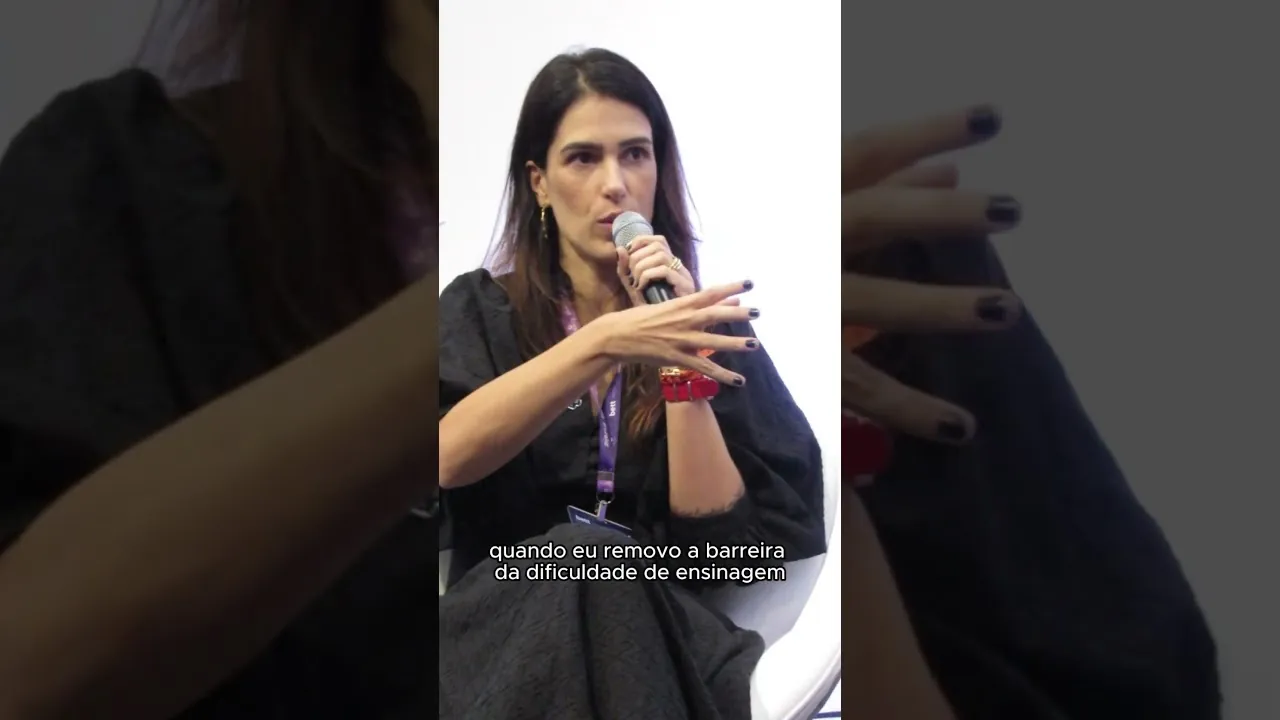
The core of individualization lies in removing barriers. It's not enough to adapt the student to the system; the system must adapt to the student. This entails a deep analysis and proactive action on several fronts:
Environmental Barriers
A physical space that does not allow everyone to move, inaccessible materials, or inadequate tools can be significant obstacles. The removal of environmental barriers creates a scenario where diversity is embraced and not seen as a problem for the student to overcome.
Pedagogical Barriers
Pedagogical methods need to be flexible. A standardized teaching approach can hinder understanding and engagement for students with different learning styles or needs. Instructional difficulties must be addressed with varied and personalized strategies that genuinely reach every student.
Material and Tool Barriers
From textbooks to technological resources, the materials and tools used must be designed for diversity. When adapted or carefully chosen, they become bridges to knowledge instead of walls.
Ensuring Learning and Development for All
When these barriers are removed, and the focus is genuinely on individualization, the school becomes an environment where learning and development happen fully. It's not just pedagogical development that flourishes, but also social development, allowing all children to feel a sense of belonging, contribute, and grow together.
This vision from Turma do Jiló reinforces that true inclusive education is an active commitment to creating an ecosystem that welcomes, understands, and values the uniqueness of each individual. It is a continuous journey to build bridges and ensure that every child's potential is fully realized in a fair and welcoming environment for all.
PUBLICIDADE (GAM) — 1250x250