Education
Inclusive Language: Choosing Words That Welcome
Learn how seemingly 'harmless' phrases can perpetuate ableism, and discover ways to communicate with greater empathy.
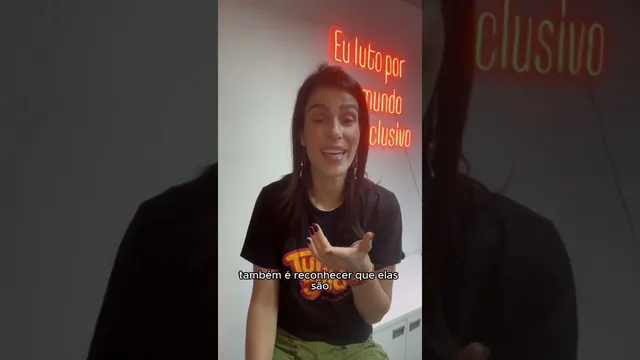
The words we choose have a profound impact on inclusivity. Educator Sheila Pinheiro from Turma do Jiló delves into common ableist phrases, offering thoughtful alternatives for more welcoming communication. Adopting an inclusive vocabulary is a crucial step toward building a more understanding world.
Often, without even realizing it, we use phrases that, while appearing harmless, carry a significant weight, capable of silencing and causing pain. Our language directly influences whether people feel embraced or shut out. Educator Sheila Pinheiro, from Turma do Jiló, encourages us to reflect on everyday ableism and learn how to choose words that genuinely foster inclusion.
PUBLICIDADE (GAM) — 1250x250
“You don’t even look like you have that”
This phrase, often uttered as a supposed compliment—such as, “Wow, you don’t even seem like you have ADHD/autism”—can be deeply damaging. It implies that individuals must conceal their condition or neurodiversity to be accepted or perceived as “normal.” Rather than validating someone’s lived experience, it imposes a conformity standard, making them feel pressured to suppress vital aspects of their identity to gain acceptance.
An inclusive alternative: “Thank you for trusting me. How can I best support you?”

“Oh, but everyone has that nowadays, right?”
Dismissing someone’s experience with the remark, “Oh, but everyone experiences a bit of anxiety/depression/ADHD nowadays,” is another manifestation of ableism. This phrase invalidates individual experiences, overlooking the genuine barriers and challenges people face. Moreover, it perpetuates a culture of silence around critical issues, making individuals feel their struggles are not unique or significant enough to share, thus diminishing their lived reality.
An inclusive alternative: “Thank you for sharing that with me. Would you like to tell me more about your experience?”
“You just need to try harder”
Telling someone, “I think you just need to try harder,” unfairly places all blame and responsibility on the individual, overlooking systemic or contextual barriers that may be beyond their control. This statement dismisses the intricate nature of challenges and the critical need for support or accommodations to foster accessibility and inclusion. Such remarks can induce guilt and demotivation, causing individuals to feel inadequate.
An inclusive alternative: “What can we do to make this environment, task, or activity more accessible for you?”
Minor adjustments to our vocabulary and approach can profoundly impact others. What we say truly matters, and ableism stems from the impact of our words, not merely our intentions. Transforming the world into a more inclusive space begins with us, starting by choosing words that embrace and validate every individual’s experiences. It’s an invitation to “teach without fear” and to build bridges of understanding and mutual respect.
PUBLICIDADE (GAM) — 1250x250