Education
Inclusive Education: Overcoming Barriers and Prejudice in Brazil
Carolina Videira Challenges Pity and Advocates for a Barrier-Free Society for True Inclusion
Neuroscientist Carolina Videira, mother to a child with a disability, exposes the barriers within the educational system and social prejudice. She asserts that society must be accessible, rather than expecting people with disabilities to conform. Education, for everyone, should be a fundamental right, not a privilege.
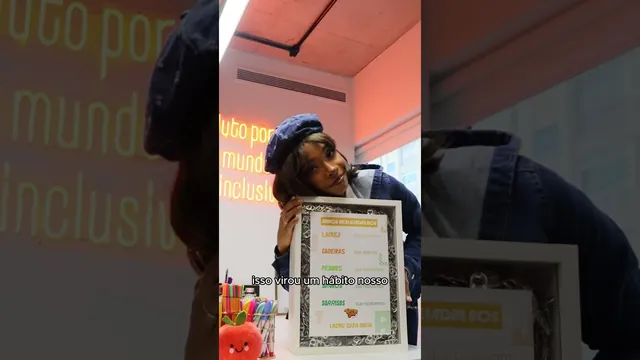
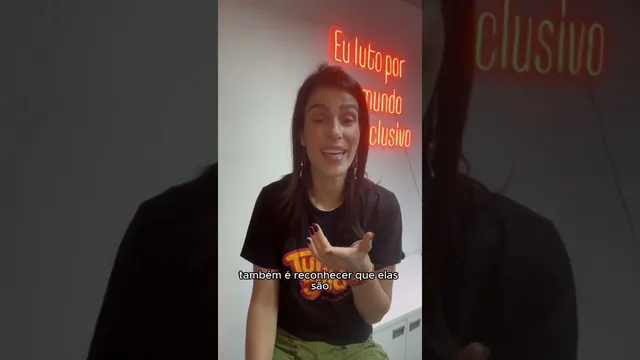
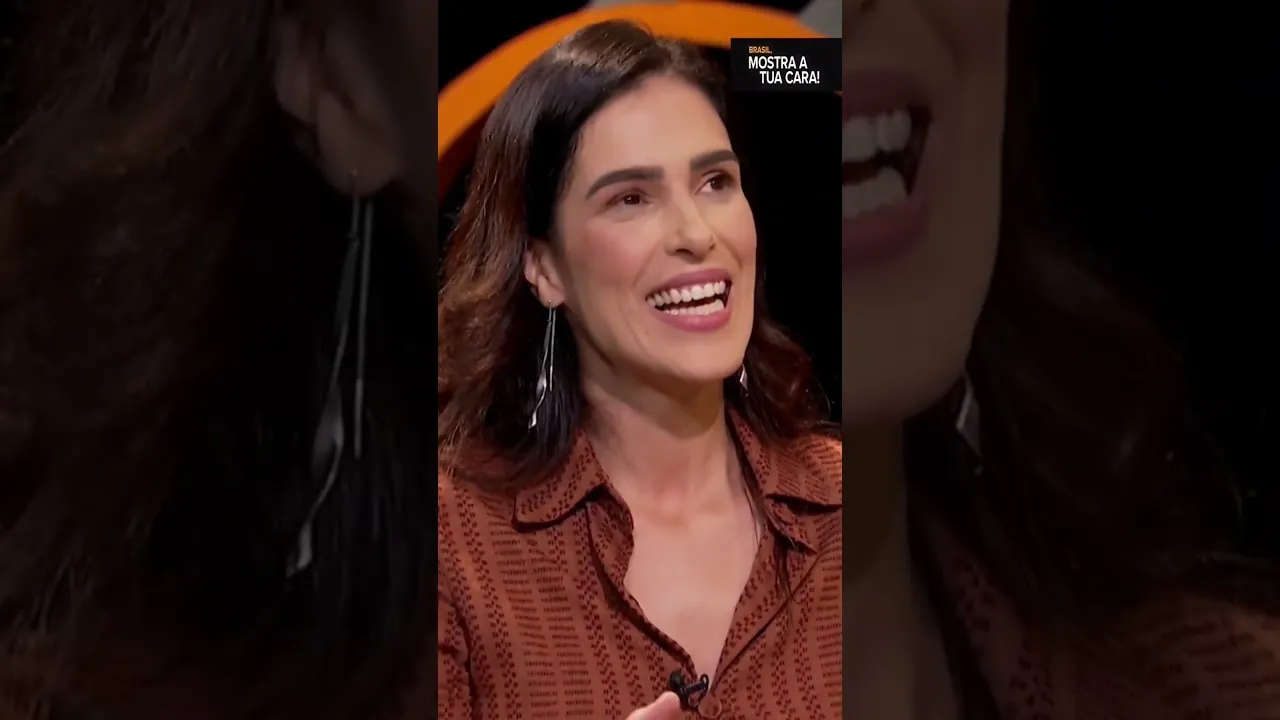
On #BrasilMostraATuaCara, a program broadcast by TV Cultura and amplified by Turma do Jiló, we had the honor of hosting Carolina Videira. A renowned neuroscientist, university professor, and specialist in social mobilization, inclusive practices, and diversity management, Carolina shared with us an intimate and powerful perspective. As the mother of a child with a disability, she uncovers the daily challenges, the gaps in the educational system, and the ingrained prejudices that define the pursuit of a truly inclusive society in Brazil.
PUBLICIDADE (GAM) — 1250x250
The First Barriers: Disbelief and Lack of Structural Inclusion
Carolina Videira's journey as a mother brought her face-to-face with a challenging reality: the lack of effective inclusion. She recounts the distressing experience of a school that, from the outset, disbelieved in her child's ability to learn and fully interact with other children. This initial perception was not confined to the school environment; soon, Carolina encountered the absence of diversity and inclusion in her own work and, more broadly, within the Brazilian social structure. The realization was clear and painful: inclusion often seemed like a distant mirage, rather than a daily practice or an assured right.
Breaking the Cycle of Pity: Activism for a Valuing Perspective
Beyond physical and structural barriers, Carolina faced an even more insidious obstacle: subtle prejudice disguised as pity. Society's gaze upon mothers of children with disabilities, laden with commiseration, was a trigger for her involvement. She promptly refuted this view: 'Nobody needs to feel sorry for me, or pity me, much less my son. My son is perfect, just the way he is.' This conviction became the driving force of her activism. Carolina argues that pity is a profoundly misguided concept that diminishes the individual. People with disabilities, like anyone else, are brilliant, capable, and possess a unique quality that should be celebrated, not lamented. The fight is for recognition and appreciation, not for charity.
A Barrier-Free Society: Education as a Right, Not a Privilege
The neuroscientist proposes a radical inversion in how we think about inclusion. It's not the child or the person with a disability who must 'fit into' a world made for others; on the contrary, 'society must be free of barriers so that we can permeate it.' Regrettably, history shows that society has erected walls, preventing many from fully permeating it. The Brazilian educational system is a forceful example. Carolina recalls that, until 2015, schools were not even legally obliged to accept children with disabilities. This transformed education, which should be a universal right, into a privilege granted to a few, perpetuating cycles of exclusion and inequality. The struggle, therefore, is for this right to be accessible to all, without exception.
Carolina Videira's powerful reflection, echoed by Turma do Jiló, is an urgent call to action. True inclusion transcends goodwill; it demands a profound transformation of structures and mindsets. It's about building a Brazil where spaces are accessible, attitudes are welcoming, and education is, in fact, an inalienable right for every individual. May her experience inspire us all to be agents of change, deconstructing prejudices and building bridges towards a more just and equal future, where no one is left behind.
PUBLICIDADE (GAM) — 1250x250