Education
Inclusive Education: Demystifying Essential Terms with Turma do Jiló
Learn about IEP, AEE, UDL, ABA, and Assistive Technology in a Fun and Easy Way
Turma do Jiló unpacks key Inclusive Education terms in a relaxed chat. Samara Cazzoli Y Goya and Natália Monaco explain concepts like IEP, AEE, UDL, and ABA, which are essential for accessible and equitable education. Discover the difference between inclusive and special education and how to foster a welcoming environment.
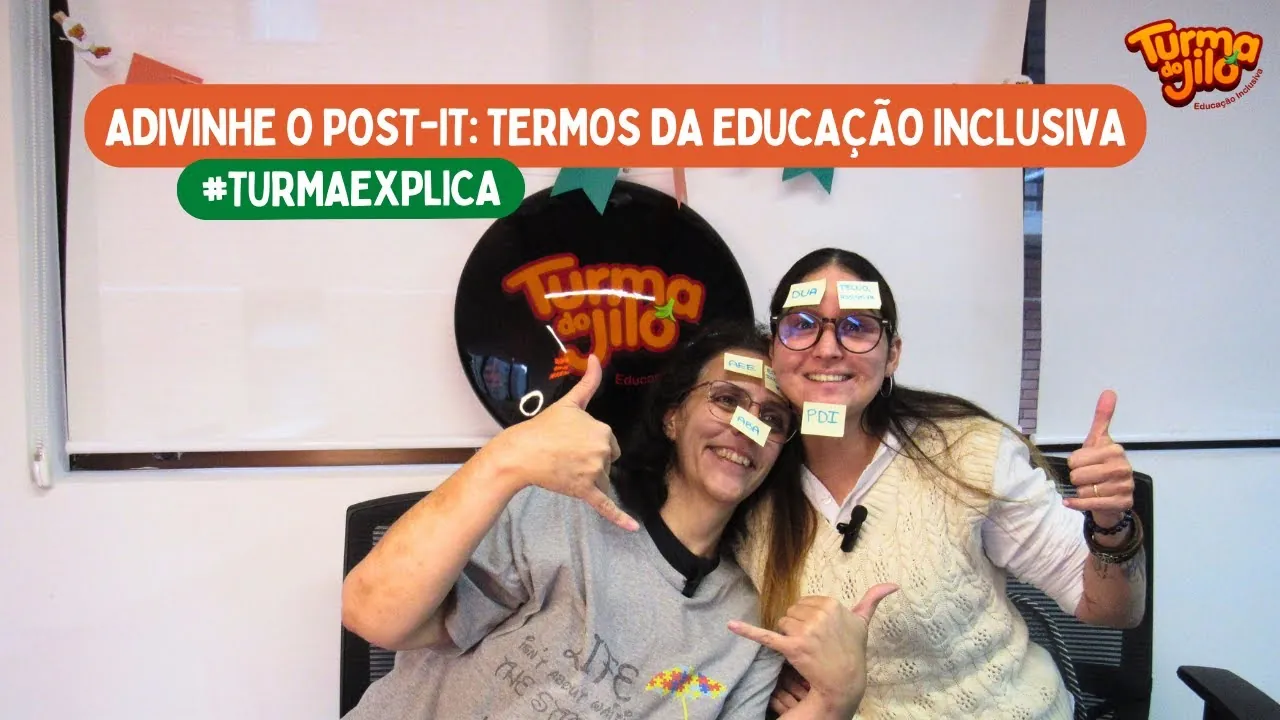
On the Turma do Jiló channel, Samara Cazzoli Y Goya, an inclusive practices specialist, and Natália Monaco, Business Director of Grupo TJ, demystify crucial terms in inclusive education. Through a fun guessing game with post-it notes, they explore fundamental concepts for building a more welcoming and just society. Understanding these definitions is essential for parents, educators, and administrators looking to promote inclusion in their daily lives.
PUBLICIDADE (GAM) — 1250x250
Unpacking Essential Concepts in Special Education
It's common to confuse terms in the field of inclusive education, but they have important nuances. Two concepts that stand out are:
- IEP (Individualized Education Program): This is an individualized service, a personalized plan that organizes the academic life of students in the target audience of special education. The IEP sets specific goals and plans to meet the needs of each student, ensuring targeted and effective support. It's like a roadmap to educational success.
- AEE (Specialized Educational Service): AEE is an essential service that identifies, develops, and organizes pedagogical resources for special education. It is mandatory during after-school hours, meaning it's not academic tutoring. Its main function is to develop skills and eliminate barriers, complementing regular education and helping to build a more accessible environment for the students.
Innovative Approaches for Broad Inclusion
To ensure everyone learns together, other methodologies and tools are gaining prominence:
UDL (Universal Design for Learning): UDL is a flexible and personalized approach, developed in the late 90s in the US and inspired by architecture. Its premise is to plan teaching with everyone in mind, with or without disabilities, considering the unique characteristics of each student in the classroom. The goal is to create accessible materials and lessons for all diversity, right from the initial planning stage.
ABA (Applied Behavior Analysis): ABA is a methodology with robust scientific evidence, especially used with the autistic spectrum population. It assists in rehabilitation and behavioral management, making it a valuable tool for special education. Although it has its debates, its effectiveness is proven on many fronts.
Assistive Technology: This term encompasses various tools and resources that promote accessibility. In education, Assistive Technology is fundamental to ensuring that students with different needs can fully participate in classroom activities, overcoming obstacles and fostering inclusion in a practical way.
Inclusive Education: A Concept for Everyone
It's crucial to differentiate between Inclusive Education and Special Education. While Special Education focuses on a specific target audience (people with disabilities, global developmental disorders like autism, or high abilities/giftedness), Inclusive Education is a much broader concept. It seeks to create an environment where all students, with or without disabilities, can learn together. It's about celebrating diversity and ensuring no one is left behind, benefiting everyone – from those with ADHD to those with difficulties in math.
Understanding these terms is not just fun; it's essential for building a more accessible and equitable education. Turma do Jiló emphasizes the importance of disseminating this knowledge so that inclusion becomes a reality in every school and classroom in Brazil.
PUBLICIDADE (GAM) — 1250x250