Education
Inclusive Education: Challenges and Solutions with Turma do Jiló
Discover how Turma do Jiló is transforming Brazilian education into a welcoming and diverse space for all.
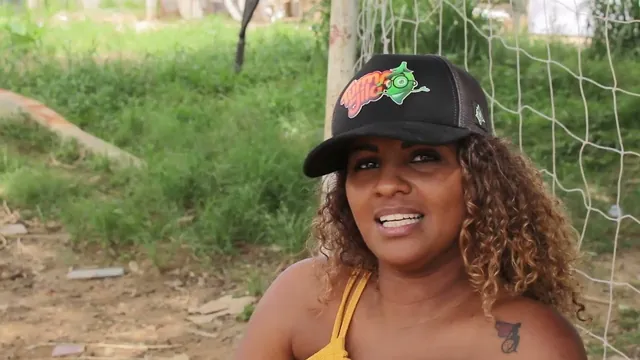
Carolina Videira, founder of Turma do Jiló, unveils the pillars of inclusive education in Brazil. Discover her personal journey, the NGO's innovative projects, and how schools can become truly welcoming. An essential conversation for parents, educators, and administrators seeking a fairer future.
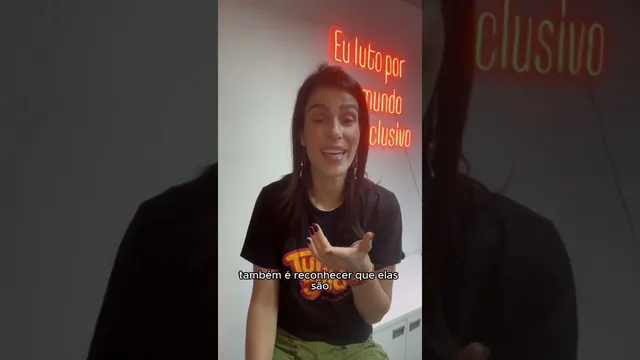
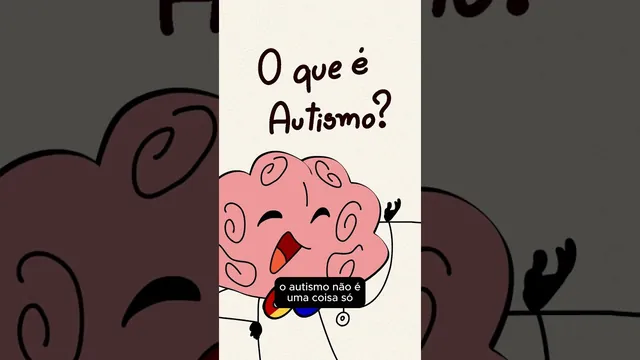
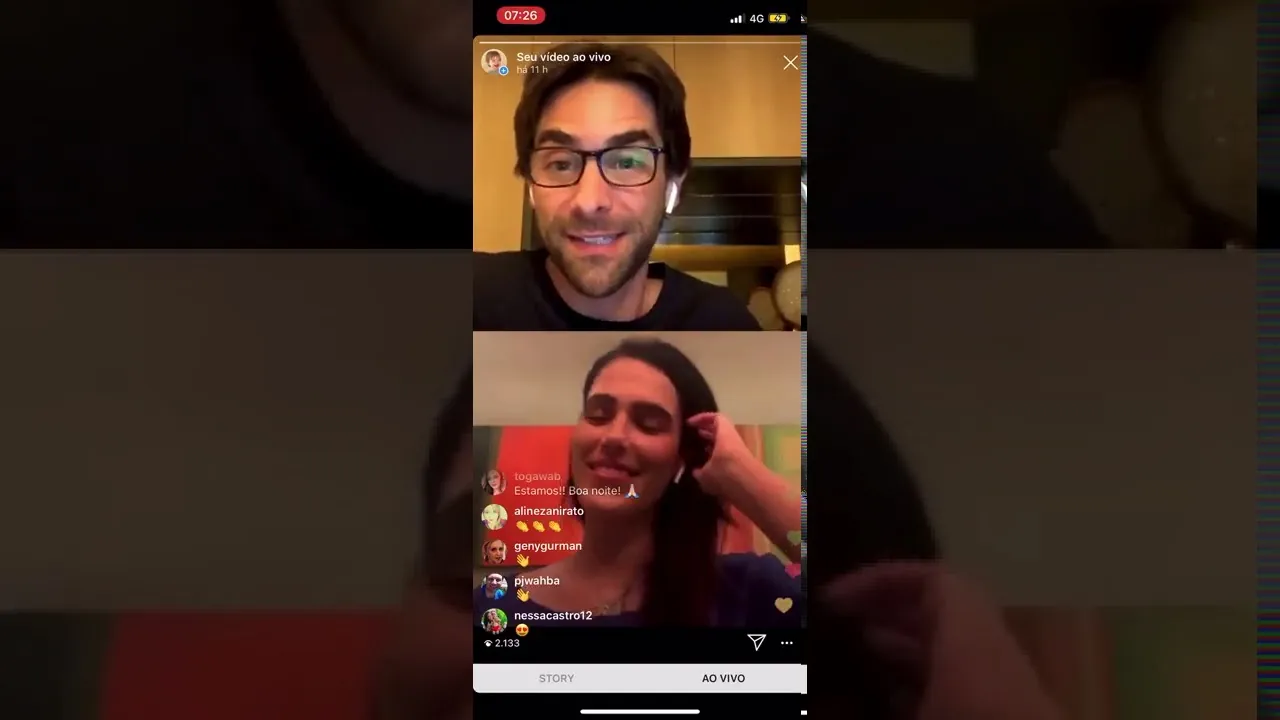
The conversation with Henry, the host of the evening, and Carolina "Carola" Videira, president of Turma do Jiló, explores inclusive education in Brazil. Carola, a social entrepreneur with a master's degree in neurology, shares her inspiring journey that led her to found the NGO. The chat, held amidst World Autism Awareness Day, highlights the importance of an education that welcomes everyone.
PUBLICIDADE (GAM) — 1250x250
The Origin of Turma do Jiló: A Personal Journey
Turma do Jiló was born from Carola Videira's personal experience as a mother. Her son, João, born in 2008 with a rare syndrome, neither walks nor speaks, but his intelligence was evident. When enrolling him in a regular school, Carola encountered the school community's difficulty in dealing with inclusive education. She sought assistive technologies abroad, finding equipment that allowed João, at five years old, to communicate his knowledge of letters and numbers.
This experience reinforced her conviction that João only needed opportunity. Carola then traveled to study innovative schools globally – Finland, the Netherlands, Germany, Korea – and, in 2015, founded Turma do Jiló.
The Pillars of Turma do Jiló's Work
Turma do Jiló is an NGO that promotes Inclusive Education and Diversity. Its projects, lasting two years in public schools, follow a comprehensive methodology:
- Diagnosis: Assessment of knowledge about inclusion and violence within the school community.
- Professional Development: Postgraduate courses for teachers with 60 hours of training in inclusive practices, focused on managing all differences in the classroom.
- Family Engagement: Welcoming families, providing information on rights and duties, and promoting empathy to combat prejudice.
- Student Project: A music festival that uses art as a tool to discuss diversity and inclusion.
- Pedagogical Accessibility: Creation of Specialized Educational Service (AEE) rooms with assistive technologies and adapted materials.
Turma do Jiló aims for a future where it is no longer needed, dreaming of "closing its doors" by spreading an inclusive culture. In the second year, the methodology is transferred to the school, empowering teachers as multipliers. Funding comes from donations, partnerships (such as Ser Indipendente), and revenue from consulting services to private schools and companies, which is entirely reinvested into projects for public schools. The NGO operates in São Paulo, Santos, and Santana de Parnaíba, from Elementary School 1 to High School.
What Truly Defines an Inclusive School?
An inclusive school goes beyond merely accepting students with disabilities. The crucial point is the recognition of each student's individuality.
- IEP for All: The Individualized Education Plan (IEP) should be applied to all students, not just those with disabilities, focusing on evaluating personal progress rather than standardized averages.
- Adaptation, Not Differentiation: Activities should be adapted, allowing the student to participate in the same classroom context, with appropriate support and resources. For example, in a geography class about the neighborhood, a student with a disability might learn to differentiate types of buildings, while others study urban roads. "Differentiation," where the student is isolated with a separate activity, is not inclusion.
- Engaged Community: Inclusion should permeate the entire school: inclusive rules, discussions about diversity at parent meetings, and combating the "fear of the unknown" through information and empathy.
Overcoming Obstacles: Prejudice and the Future of Inclusion
The conversation addresses challenges such as:
- Denied Enrollments: The Brazilian Inclusion Law (LBI) prohibits this practice, considering it a crime. Parents should report any denial, whether subtle or explicit, to the Public Prosecutor's Office or Public Defender's Office.
- Prejudice vs. Discrimination: Discrimination is a crime and should be reported. Prejudice often stems from a lack of information, and is best combated with knowledge and active community involvement.
- The Debate on Special Schools: Returning to special schools is a step backward. The LBI ensures the right of all children with disabilities to study in regular schools, supplemented by Specialized Educational Services (AEE) during non-school hours. This coexistence enriches everyone, promoting empathy and reducing bullying.
Inclusive education benefits everyone: it forms more empathetic young people with better mental health, and prepares them to deal with the diversity of the world. It is an investment in the future of a more just and welcoming society.
PUBLICIDADE (GAM) — 1250x250