Education
Inclusion and Down Syndrome: Turma do Jiló's Fight for Rights
At a Down Syndrome event, Turma do Jiló and Instituto InvisibiliDown discuss true inclusion and its challenges in Brazil.
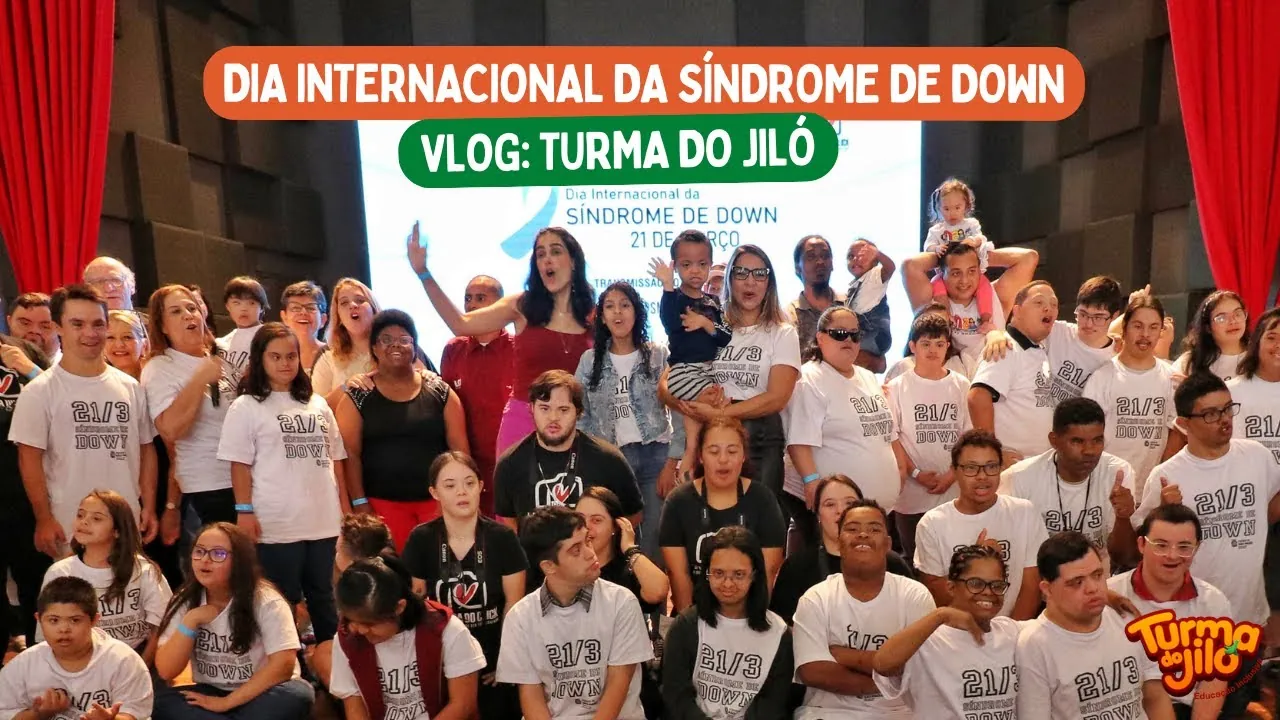
International Down Syndrome Day featured profound discussions on inclusion. Turma do Jiló advocated for inclusive education as a universal right, while Instituto InvisibiliDown highlighted the harsh reality of the invisibility of Black individuals with Down Syndrome in Brazil. It was a call to action for a more just and accessible society for all.
International Down Syndrome Day was the setting for an inspiring event promoted by the Municipal Secretariat for Persons with Disabilities of São Paulo (SMPED SP), which brought together experts and activists to discuss the importance of inclusion and diversity. Hosted by Gabriel Facchini, the gathering featured significant contributions from Carolina Videira, founder of Turma do Jiló, and Thiago Ribeiro, founder of Instituto InvisibiliDown, who offered crucial insights on the topic.
PUBLICIDADE (GAM) — 1250x250
Inclusive Education: A Right, Not a Favor
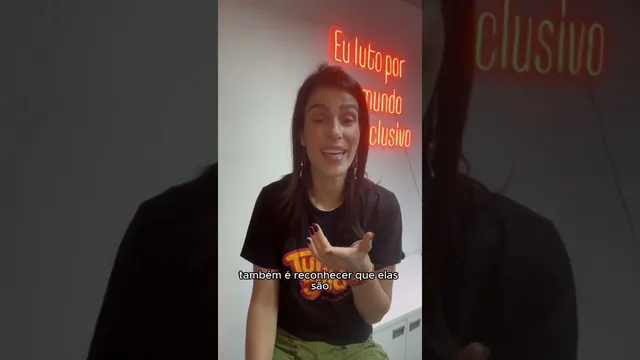
Carolina Videira, from Turma do Jiló, highlighted inclusive education as a universal right, not a favor. She emphasized that an inclusive school goes far beyond 'bringing in' or 'inserting' children with disabilities. The focus should be on ensuring the right to learn for all students, because "there is no such thing as partial inclusion."
Carolina drew attention to the “difficulty of teaching” on the part of teachers and administrators. For her, the problem often does not lie in the students' learning capacity, but in the educators' lack of preparation to teach in diverse ways. Turma do Jiló provides tools and courses for schools, training teachers and promoting accessibility in all its forms – whether architectural, in pedagogical materials, or in communication. It is fundamental work to ensure all students feel a sense of belonging and can develop their autonomy.
The Painful Invisibility: Down Syndrome and Racial Issues
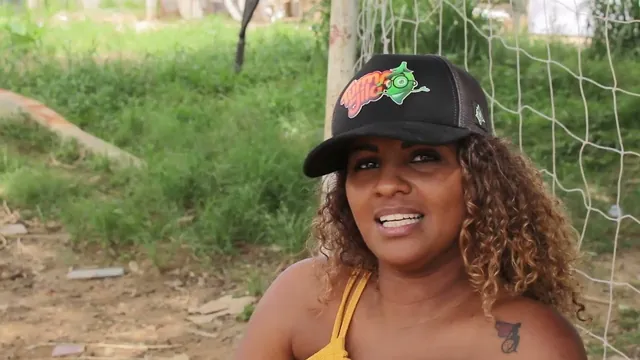
Thiago Ribeiro, from Instituto InvisibiliDown, brought an essential and often neglected perspective: the invisibility of Black individuals with Down Syndrome in Brazil. His photography project “Invisibilidade” (Invisibility) aims to reveal this reality, challenging the perception that Black individuals with Down Syndrome do not exist or are rare.
Thiago presented alarming data: the life expectancy of Black individuals with Down Syndrome can be up to 50% lower than that of white individuals. This is a direct reflection of structural racism, social inequality, and lack of access to adequate health services and therapies. Doctors, for example, sometimes even deny the diagnosis of Down Syndrome in Black infants, causing delays that severely compromise the development and lives of these children. This reality is even crueler in remote and peripheral regions, where access is even more limited.
The Fight for a Society 'With Us'
The event made it clear that the fight for a truly inclusive society must involve everyone. Gabriel Facchini highlighted the motto "not for us, but with us," emphasizing that people with Down Syndrome desire and deserve full participation in school, leisure, relationships, and the job market.
Carolina Videira encouraged families to report any denial of rights, reinforcing that it is not a favor, but a legal guarantee. Instituto InvisibiliDown, in turn, seeks to raise awareness among society, the medical community, and public authorities about the urgency of addressing the intersection between race and disability. Inclusion, as also demonstrated by "Galera do Click" (Click Crew), a group of photographers with Down Syndrome who documented the event, is a two-way street where everyone benefits when bridges are built for a more just and accessible society.
With Turma do Jiló, the fight continues so that education is, in fact, for everyone, preparing each individual for adult life with autonomy and dignity.
PUBLICIDADE (GAM) — 1250x250