Education
How to Talk to Children About School Violence: A Guide
Psychologist Chiara Lenci guides parents and educators on discussing sensitive topics with care and confidence.
School violence is a sensitive yet crucial topic to discuss with children. Psychologist Chiara Lenci, in partnership with Turma do Jiló, provides practical tips for parents and educators. Learn how to convey a sense of security, correct misinformation, and turn these conversations into valuable learning opportunities.
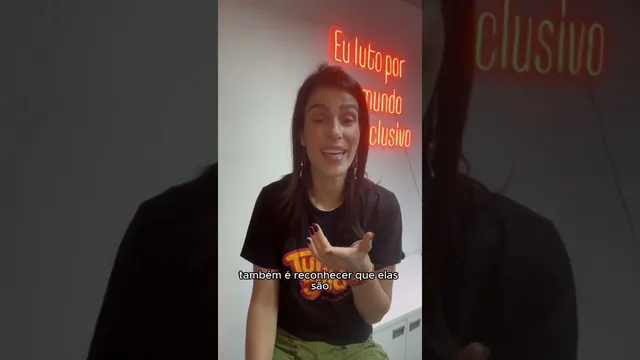
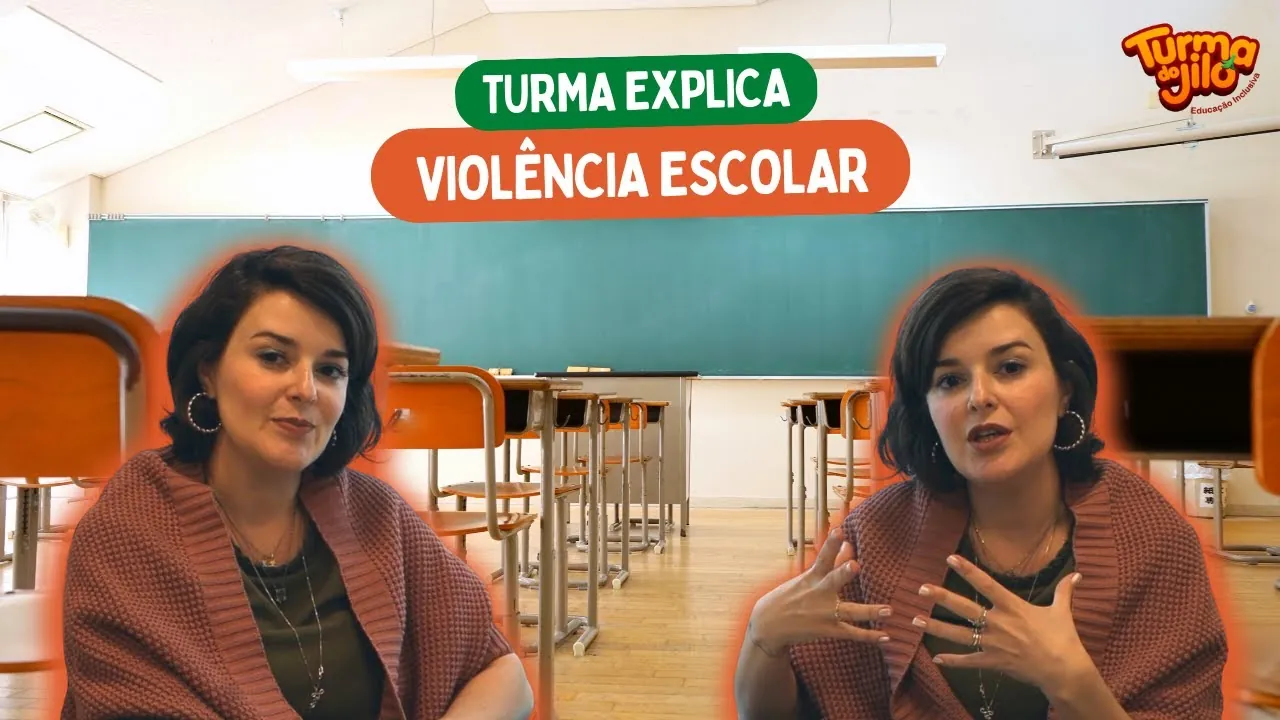
In "Turma Explica" (The Jiló Crew Explains), a segment by Turma do Jiló dedicated to Inclusive Education and Diversity, we welcome clinical psychologist Chiara Lenci. In this episode, she guides us on how to approach school violence with our children—a complex topic that requires sensitivity and preparation from adults.
PUBLICIDADE (GAM) — 1250x250
Prepare for Dialogue
It's natural for school violence to cause discomfort and even fear in adults, but children are already, in some way, exposed to the topic. They might be fantasizing or receiving false information. Therefore, it's essential that we, as adults, are the first to talk to them. First and foremost, connect with your own feelings. Being aware of your emotions allows for more authentic and secure communication with the child. Remember that your body language and verbal cues directly influence how the message is received.
Adapt the conversation to the child's age, adjusting the complexity of words and the amount of information. Even if it's difficult, convey a sense of security and be honest. It's important for the child to know that you also have feelings and that no one is perfect.
Learning and Reaction Opportunities
Paradoxically, violent events are significant learning opportunities. Pay attention to the cues children give in their daily conversations; they often signal when they want to talk. Take advantage of these moments to reinforce essential family values such as empathy, kindness, safety, and trust.
Ask what the child already knows about the topic before overwhelming them with information. Often, we say more than is necessary for young children. This approach also allows you to correct any misinformation or fake news they may have encountered, countering sensationalism. Furthermore, it's an opportunity to teach them how to deal with frustrations and conflicts constructively, avoiding aggressive or violent reactions.
Sensitivity and Honesty in the Right Measure
Sensitivity should be your primary guide. Validate the child's feelings—whether sadness, fear, or confusion. Tell them that “episodes like these make us feel many different things” and that it’s okay to share, because you will be there for them through it. If the child asks “but did people die?”, the answer should be the truth, delivered calmly. Yes, people died, but it is crucial to then reassure the child, explaining the measures being taken by adults and authorities to ensure safety, and that such events are rare.
Avoid solutions that endorse violence, such as suggesting the presence of armed individuals in schools to ensure safety. This is not a good alternative. Also, be careful with sensationalist images and news; contextualize them, showing the true scope of the facts.
Digital Education and Ongoing Support
Always thank the child when they share something with you, fostering trust and open dialogue with responsible adults. If the child is older and has access to social media, extra care is needed. Many attacks are fueled in online groups that can attract young people with school-related problems. Remember that bullying and exclusion are also forms of violence. Therefore, digital education goes beyond filters; teach conscious use of platforms.
Keep the communication channel open. These conversations should be ongoing. And don't be afraid to say “I don’t know” when you don’t have all the answers. Offer to find the information together with the child. If you notice signs like excessive nervousness, anxiety, difficulty sleeping, or persistent school problems, it might be time to seek professional help.
Psychologist Chiara Lenci's tips, also based on materials from Instituto Vita Alere, remind us that there is no magic formula. The important thing is to maintain dialogue, dismantle prejudices, and offer a supportive and informative environment for our children to face these complex challenges.
PUBLICIDADE (GAM) — 1250x250