Education
Empowering Refugee Women in Roraima: The Work of Turma do Jiló
Discover the mission of Turma do Jiló and its partners in Boa Vista to integrate refugee women into the Brazilian job market.
Follow Turma do Jiló in Boa Vista, Roraima, and get an inside look at the Empowering Refugee Women project. This initiative, in partnership with UNHCR and UN Women, provides training and support for refugee women to rebuild their lives in Brazil. Discover the challenges and transformations of this journey of inclusion.
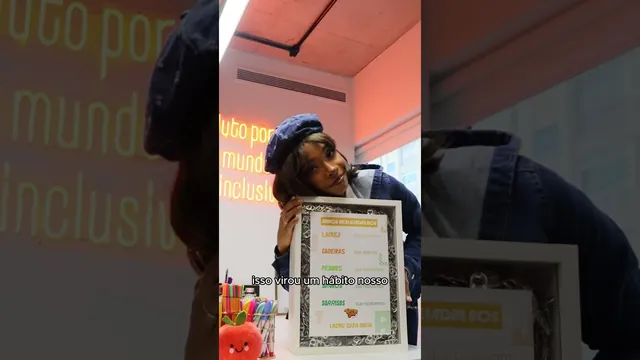
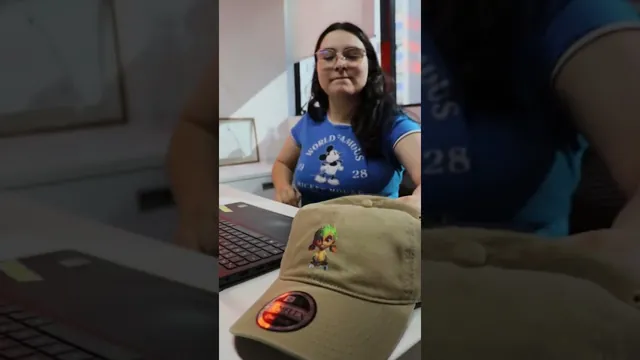
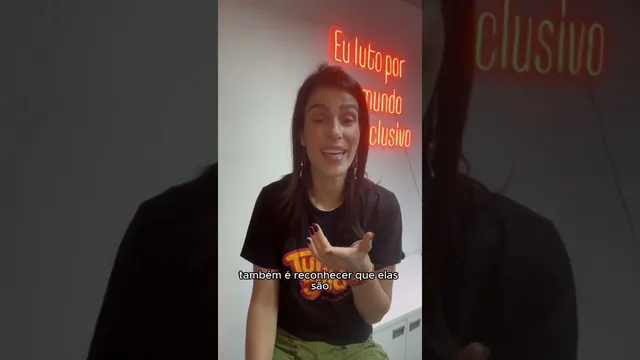
In this special vlog, Turma do Jiló, represented by Carola (founder), Nathalia, and Carolina, takes us on an immersive journey into the Empowering Refugee Women project in Boa Vista, Roraima. In partnership with UNHCR and UN Women, the initiative aims to train and support refugee and migrant women, offering new opportunities for them to restart their lives in Brazil.
PUBLICIDADE (GAM) — 1250x250
Operation Welcome and the Training Center
The journey begins at Operação Acolhida (Operation Welcome), the entry point for many refugees in Brazil. Here, individuals seeking refuge are welcomed, documented, and directed to shelters. The collaborative work of the Brazilian Army, IOM, and UNHCR is essential to provide initial support and guide newcomers to employment and training opportunities, including resettlement to other states in the country.
A fundamental pillar of this process is the Training and Education Center (CCE). As Maira, a lawyer on the team, explains, the CCE offers vocational courses for both men and women. These include: Portuguese (a flagship course to facilitate communication and adaptation), electrical work, automotive repair, aesthetics (eyebrow design, manicures), and cashier training. The goal is to prepare beneficiaries for the Brazilian job market, facilitating their autonomy and integration.
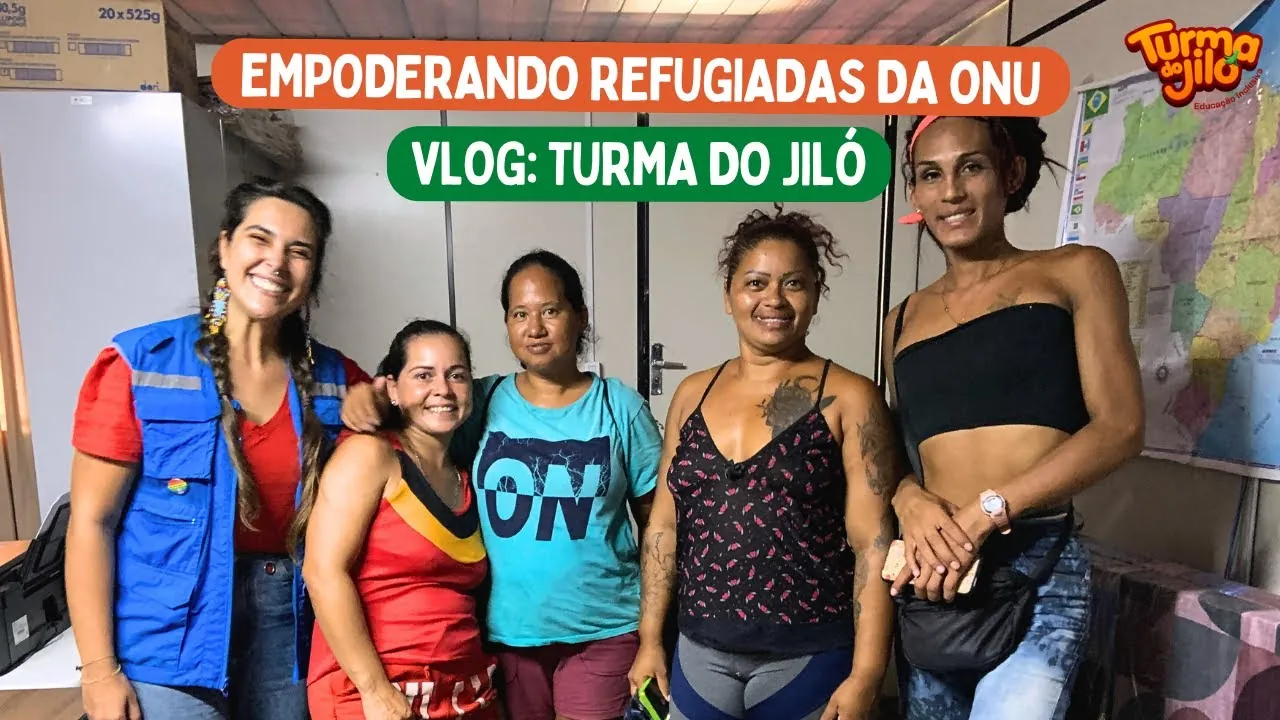
The Turma do Jiló team visits shelters like Pricumã, where families live in tents. The reality is challenging, with intense sun and no electricity in the tents for safety reasons. However, there is a constant effort to improve conditions. Activities for children, organized by groups like Pirilampo and SEC, are crucial for the well-being of the little ones.
A highlight is the Sustainability Center, a true innovation within the shelters. With three pillars – environmental education, innovation, and peaceful coexistence – the center reuses rainwater, treats sewage, and cultivates vegetables. The nursery, which produces about 400 seedlings per month, is a space for learning and empowerment. Volunteers and teams encourage residents to plant trees, creating shade and promoting reforestation in an area that was deforested. This project not only improves the environment but also offers learning opportunities about environmental education and potential livelihoods, reinforcing the importance of ESG.
Throughout the mission, Turma do Jiló meets and interviews various individuals, such as Fabíola and Wesley, who witness the arrival of about 300 people per day at Operação Acolhida, and Raiane, who expresses gratitude for being able to collaborate with those most in need. Administrative assistant Leide also highlights the support offered, especially to Venezuelans, to train them and help them start businesses.
We also discover the art of Vigaílo, a Guarani plastic artist from Venezuela, who uses his art to express the culture of his people. His work is not just a form of expression but also a bridge for cultural appreciation and a source of income. Another moving point is the model house made of mud for indigenous communities, an example of sustainable construction that respects local culture and offers thermal comfort, showing how impactful respect and valuing origins can be.
Turma do Jiló's experience in Boa Vista is a testament to resilience and the capacity for transformation when there is support and opportunities. The arduous but rewarding work of the teams involved demonstrates that, with unity and a focus on inclusion, it is possible to build bridges for a more welcoming and just society where no one is left behind.
PUBLICIDADE (GAM) — 1250x250