Education
Dyscalculia and Dyslexia: How to Help and Foster Inclusion
Understand learning disorders and build a more inclusive environment
Dyscalculia and dyslexia are learning disorders that challenge many, but they do not indicate low intelligence. Discover how proper support and an inclusive environment can transform the lives of children and young people. Turma do Jiló helps you understand and take action.
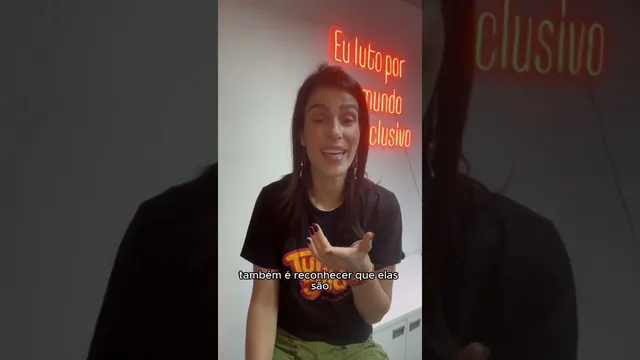
In the realm of inclusive education, Turma do Jiló invites us to reflect on conditions that affect the learning of many children and young people. In this conversation, specialist Natália Monaco demystifies dyscalculia and dyslexia, explaining how these learning disorders impact daily life and, more importantly, how we can offer the necessary support so that no one is left behind.
PUBLICIDADE (GAM) — 1250x250
Understanding Dyscalculia and Dyslexia
Imagine a world where numbers and words transform into true labyrinths. This is the reality for those living with dyscalculia or dyslexia. Dyscalculia is characterized by difficulty understanding and manipulating numbers, which can affect everything from basic operations to more complex mathematical concepts. Dyslexia, on the other hand, manifests as a challenge in reading, writing, and spelling, turning tasks that are simple for many into significant obstacles.
Not a Lack of Intelligence, but a Neurological Difference
It is crucial to demystify the idea that these disorders indicate low intelligence. On the contrary! Natália Monaco emphasizes that dyscalculia and dyslexia are neurological differences in how the brain processes specific information. Individuals with these disorders may have average or above-average intelligence, but their brains process certain information distinctly, requiring adapted teaching and learning approaches.
The Impact and Importance of Diagnosis
Living with a learning disorder without proper support can lead to significant frustration, low self-esteem, and academic and emotional difficulties. A child with dyscalculia may feel incapable when faced with math, while another with dyslexia might avoid reading and writing, missing out on developmental opportunities.
Early diagnosis and appropriate interventions are fundamental. They pave the way for personalized teaching strategies, therapies, and emotional support that allow individuals to develop their skills, overcome challenges, and reach their full potential. It's an investment in the future and well-being.
Building Inclusive and Supportive Environments
Creating an inclusive and supportive environment is everyone's responsibility: families, schools, and the community. This means being attentive to signs, seeking information, promoting empathy, and advocating for resources and practices that meet each individual's needs. In school, it might involve curriculum adaptations, the use of assistive technologies, and teacher training. At home, it's about patience, encouragement, and celebrating small victories.
Turma do Jiló reinforces the need to build bridges for a welcoming and just society. Together, we can make a difference in the lives of those living with dyscalculia and dyslexia, ensuring that everyone has the opportunity to learn and thrive. Inclusive education is a pillar for a more egalitarian future, and as Turma do Jiló aptly puts it, here no one gets left behind.
If you want to know more about how to identify and help children with learning disorders, follow Turma do Jiló's initiatives. Join us on this journey of knowledge and transformation. Your support is essential to spread awareness and build a world where diversity is valued and celebrated.
PUBLICIDADE (GAM) — 1250x250