Education
Dyscalculia and Dyslexia: Challenges and Inclusive Education
Understanding and Supporting Individuals with Learning Disorders for a Fairer Future
Dyscalculia and Dyslexia are not signs of low intelligence, but rather neurological differences in information processing. Turma do Jiló emphasizes the importance of diagnosis and appropriate interventions for a truly inclusive environment. Learn how to make a difference.
In the inclusive ecosystem of Turma do Jiló, we often address crucial topics for inclusive education in Brazil. This month, our focus is on learning disorders, such as Dyscalculia and Dyslexia, which challenge many children and young people daily.
PUBLICIDADE (GAM) — 1250x250
What Are Dyscalculia and Dyslexia?
It is essential to understand the characteristics of each disorder to provide the necessary support. Dyscalculia, for example, manifests as a difficulty understanding and manipulating numbers. This can affect simple tasks like counting, basic mathematical operations, and even recognizing numerical symbols.
Meanwhile, Dyslexia involves difficulties with reading, writing, and spelling. Dyslexic individuals may struggle to decode words, comprehend texts, or express ideas clearly in writing. Both disorders require specific attention and strategies.
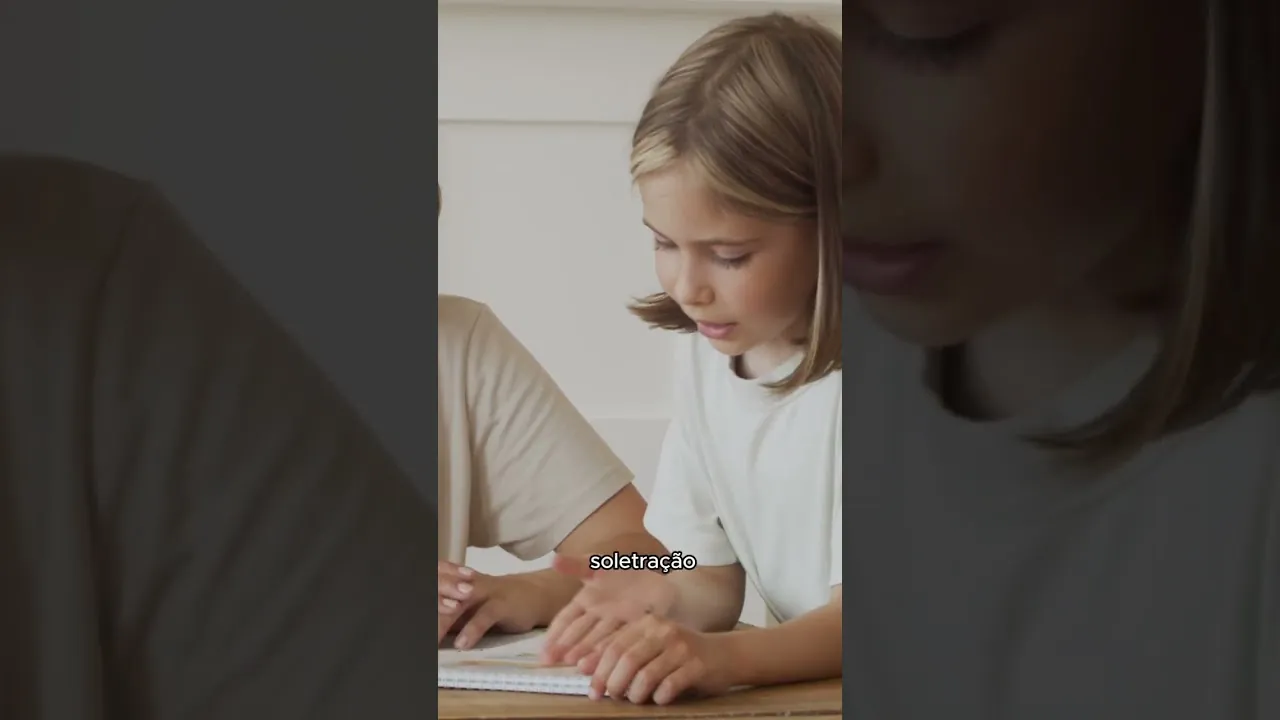
Debunking Learning Disorder Myths
A crucial point is that these disorders are not indicators of low intelligence. On the contrary, they are reflections of neurological differences in how the brain processes specific information. Recognizing this is the first step to combat stigma and promote acceptance.
Individuals with Dyscalculia or Dyslexia have the potential to learn and thrive, but they require educational approaches and support adapted to their needs.
The Path to Inclusion and Support
With early diagnosis and appropriate interventions, it is possible to significantly support the academic and emotional development of these individuals. This may include differentiated teaching methods, the use of assistive technologies, psycho-pedagogical support, and a comprehensive school and family environment.
The goal is to create an inclusive and supportive environment where everyone feels valued and capable of reaching their potential. Turma do Jiló believes in the power of education to bring about positive changes and invites you to join us on this journey.
Want to know more about how to identify and help children with learning disorders? Follow Turma do Jiló on our social media. Together, we can build bridges to a welcoming and just society, where no one is left behind.
PUBLICIDADE (GAM) — 1250x250