Education
Demystifying Learning Disorders: Inclusion and Support
Understand dyslexia, ADHD, and other challenges, and how to foster equitable learning for all.
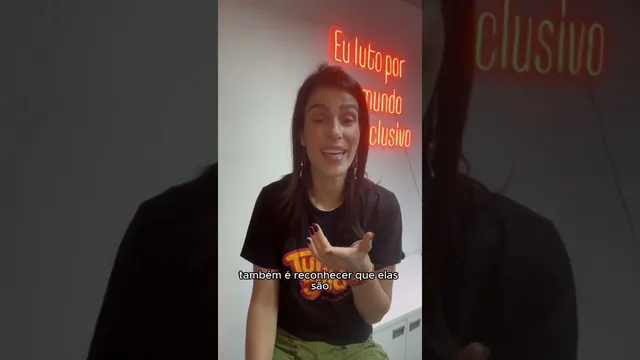
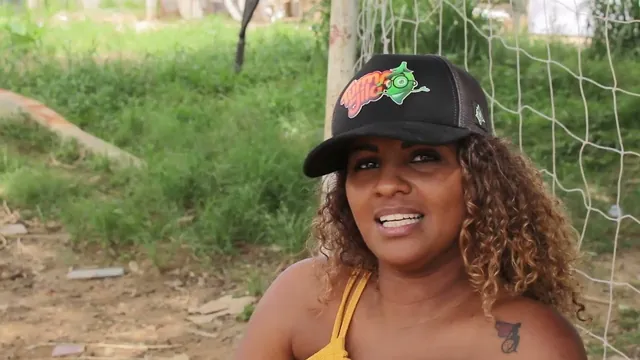
Did you know that 10% of the global population has a learning disorder? Nathália Monaco from Turma do Jiló explains dyslexia, dysgraphia, dyscalculia, and ADHD. Discover the importance of early diagnosis and proper support for students' full development.
In the realm of inclusive education, understanding and supporting students with learning disorders is crucial. In this article, based on insights from Nathália Monaco of Turma do Jiló, we will demystify this topic, covering its definitions, impacts, and, most importantly, ways to foster a more welcoming and effective learning environment for everyone.
PUBLICIDADE (GAM) — 1250x250
What Are Learning Disorders?
Learning disorders are specific difficulties in information processing that can have genetic or environmental origins. They affect how the brain processes certain information, directly impacting learning. Did you know that up to 15% of school-aged children and 10% of the world's population are affected by them?
Among the most common types are:
- Dyslexia: difficulty with reading.
- Dysgraphia: difficulty with writing.
- Dyscalculia: difficulty with mathematical calculations.
- ADHD (Attention Deficit Hyperactivity Disorder): affects attention, focus, and impulse control.
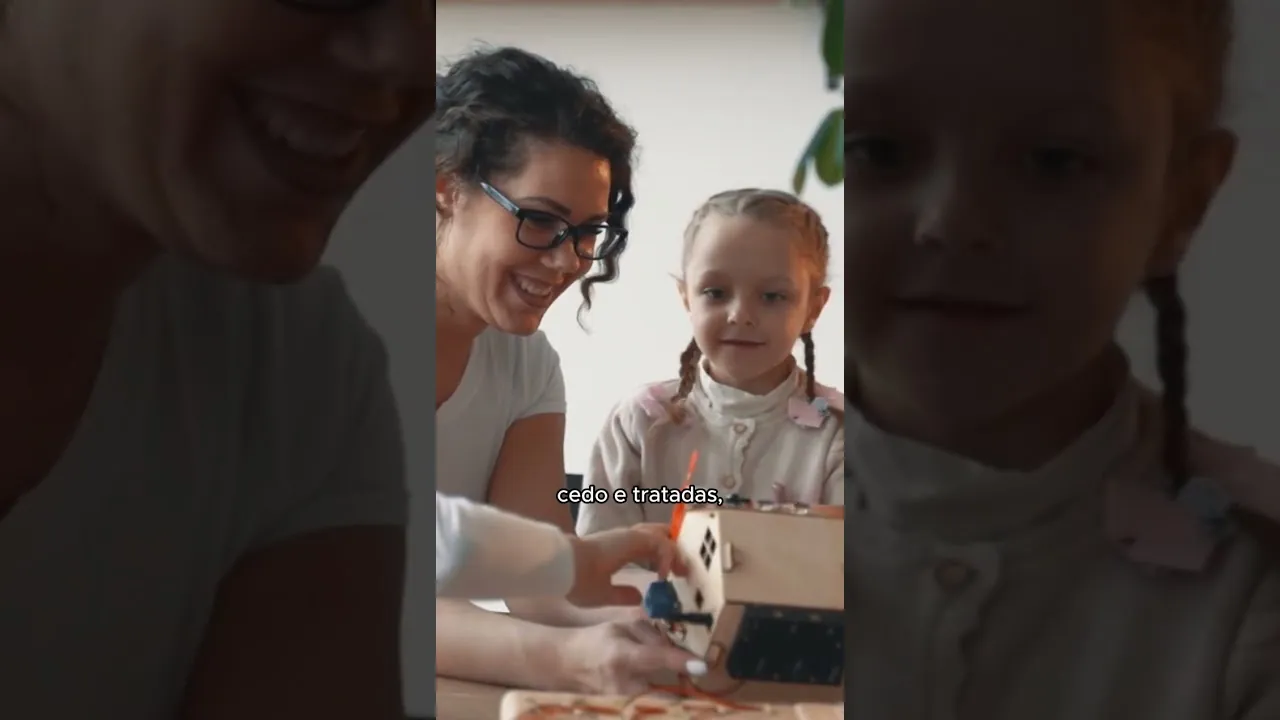
It's important to note that it's not uncommon for a person to present with more than one of these disorders, which can intensify the challenges in the educational process.
The Daily Impact of Disorders
Learning disorders can have a significant impact on students' daily lives and future. Difficulties in reading, writing, or mathematics, for example, can manifest in childhood and, if not identified and addressed early, can persist into adulthood.
The consequences of a delayed diagnosis or lack of support can be serious, leading to:
- Low self-esteem.
- Problems with academic performance.
- Challenges in the workplace and social relationships.
Therefore, it's crucial that these conditions are viewed not as an individual's failure, but as a particularity that demands specific attention and strategies.
Paths to Inclusion and Adequate Support
The good news is that with proper support and adapted teaching methods, anyone can overcome the barriers imposed by learning disorders and reach their full potential, leveraging their core strengths. The essential thing is not to label anyone by their difficulties, but rather to offer the necessary support.
This includes:
- Early diagnosis: crucial for initiating the right interventions.
- Curriculum adaptations: making teaching flexible to meet individual needs.
- Prepared professionals: educators and therapists equipped to guide learning.
- Supportive environments: schools and homes that promote safety and encouragement.
At Turma do Jiló, we believe in the transformative power of education to create positive change and build a more just society. Understanding and addressing learning disorders is a vital step on this journey.
Want to delve deeper into this topic and discover how to identify and help children with learning disorders? Follow Turma do Jiló for more valuable content and tips on inclusive education. Come with us, because here, no one is left behind!
PUBLICIDADE (GAM) — 1250x250