Education
Colorism and Intersectionality: Unpacking Racism in Brazil
Explore the impact of colorism and intersectionality in the anti-racist struggle in Brazil.
Turma do Jiló explains essential concepts for understanding the complexity of racism. Sheila Pinheiro discusses racism, intersectionality, and colorism, revealing how these dynamics affect the lives of Black people. Understand the importance of true, uncompromised inclusion.
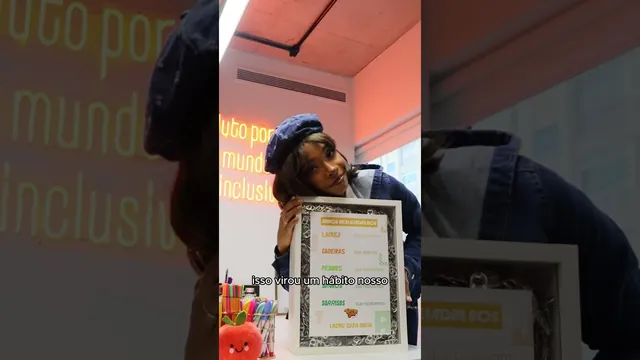
In the Turma Explica segment of Turma do Jiló, Journalism student Sheila Pinheiro, from the communication team, unpacks crucial topics for anti-racist education. This episode focuses on three fundamental pillars: racism, intersectionality, and colorism, opening an important dialogue about the barriers that the Black population faces in Brazil, even though they represent 53% of Brazilians, according to IBGE.
PUBLICIDADE (GAM) — 1250x250
Racism and Its False Roots
Racism is defined as prejudice and discrimination based on social perceptions of alleged biological differences between people and groups. Its ideology rests on the false premise that one race is superior to another. However, from a biological standpoint, human races do not exist. It is a criminal, derogatory, and discriminatory practice that historically victimizes groups such as Black people, Jewish people, Romani people, Arabs, Indigenous people, and Latin Americans.

Intersectionality: Understanding Layers of Oppression
Intersectionality addresses how different social markers of identity overlap and interact, creating unique experiences of oppression and privilege. For example, a Black person with a disability or an LGBTQIA+ refugee faces multiple and interconnected challenges. This concept recognizes that racial inequality cannot be viewed in isolation; it is essential to consider how various forms of oppression — such as racism, patriarchy, and class oppression — intersect and influence people's lives.
Turma do Jiló emphasizes: there is no half-hearted inclusion. To create effective solutions, it is essential to consider all individuals with their particularities and diversities.
Colorism: The Skin Color That Defines Destinies
Colorism is a term that differentiates the varied shades of Black skin, from lighter to darker. These shades can determine an individual's social inclusion or exclusion.
Sheila shares a powerful personal account: a colleague suggested that her features weren't “so Black” because she had a thinner nose, highlighting an ingrained prejudice about what a “Black nose” should be. This is a clear example of colorism, which creates a classification of skin tones, as if they were colored pencils.
Impacts of Colorism on Black Lives
This classification is not neutral. A Black person with a lighter skin tone may have an easier time in certain aspects of life, such as securing a job, due to their phenotypic proximity to white ethnicity. On the other hand, colorism makes life more difficult for Black people with darker skin tones, who experience much greater discrimination.
Terms like "café com leite" (coffee with milk), "marrom bombom" (chocolate brown), or "cor de jambo" (jambo fruit color) are nicknames that seek to nullify ethnicity, camouflaging Blackness and forming part of the whitening theory. This leads to painful processes such as identity confusion, loss of cultural reference, low self-esteem, and even depression.
Understanding racism, intersectionality, and colorism is the first step to deconstructing prejudices and building a truly inclusive and just society. By recognizing the complexities of these oppressions, we can work together to ensure that no one is left behind.
PUBLICIDADE (GAM) — 1250x250