Education
Carolina Videira & Turma do Jiló: Inclusion That Transforms Schools
Born from a mother's personal journey, a movement redefines inclusive education in Brazil.
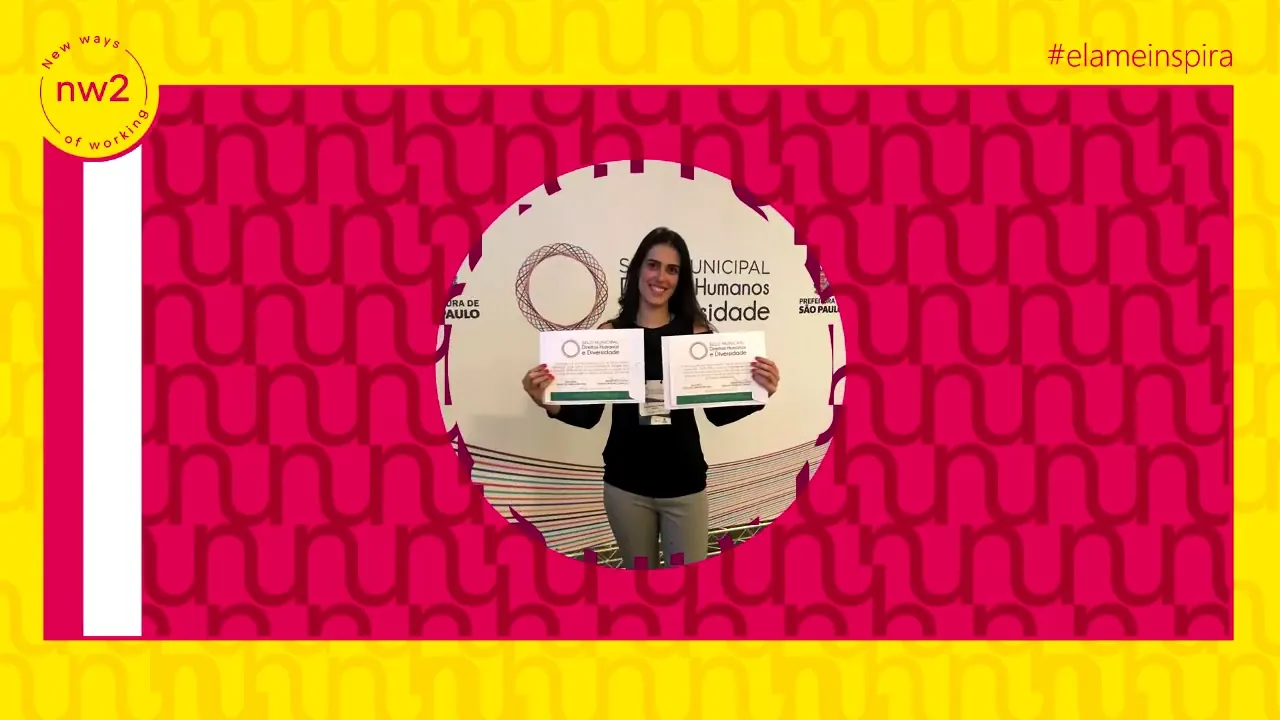
In this inspiring chat on Canal NW2, Carolina Videira, founder of Turma do Jiló, shares her journey and the creation of an organization aimed at transforming education and diversity. Her personal story, marked by motherhood, reveals how challenges became a catalyst for social change.
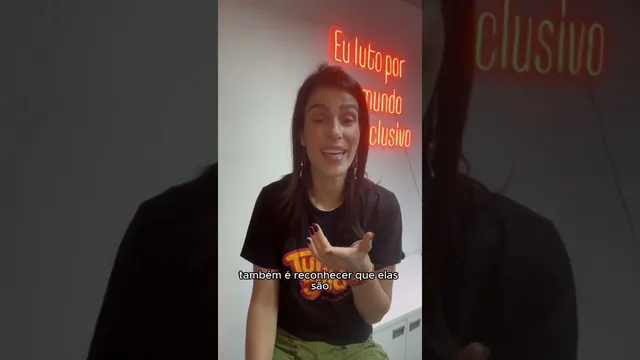
On the Turma do Jiló channel, we welcomed Carolina Videira, a physiotherapist, master in neurology, and postgraduate trainer. Above all, Carol is the founder and president of Turma do Jiló, and mother to João and Maria Cecília. She shares how her restless life and experiences with her son João led her to found this organization dedicated to Inclusive Education and Diversity.
PUBLICIDADE (GAM) — 1250x250
The Restlessness That Sparked Transformation
Carolina's life has always been permeated by diversity. From an early age, her move from Belo Horizonte to São Paulo and her height already put her in touch with the 'different'. Her choice of physical therapy stemmed from a desire to "restore people's dignity," not to "save" them. Her first contact with people with disabilities was during an internship at AACD, a shock that made her question her role.
The turning point, however, came with the arrival of her son, João. At four months old, Carol noticed something wasn't 'right.' After nearly four years searching for a diagnosis, she faced the lack of preparedness in schools — which were welcoming but not pedagogically inclusive — and the pressure in the workplace, where she didn't feel comfortable sharing her difficulties. This journey prompted her to seek answers and understand why Brazil was so behind in diversity and inclusion.
Turma do Jiló: Breaking Barriers with the Metaphor of Inclusion
Upon delving into the world of inclusive education and visiting schools globally, Carolina encountered the alarming school dropout rate in Brazil, which affects not only people with disabilities but all minority groups. She realized that change wouldn't come from the top down, but from concrete and persistent action.
This is how Turma do Jiló was born. The unusual name comes from a powerful metaphor: “No one likes jiló without trying it. But if you know how to prepare it, it’s delicious, as well as healthy.” For Carol, inclusive education is like jiló: beneficial and flavorful for everyone, if we know how to “prepare it.”
Turma do Jiló works directly in schools, offering an inclusive ecosystem. The organization:
- Trains teachers with tools and skills to address all differences.
- Engages families, debunking prejudices and informing them about diversity.
- Reforms school infrastructure, ensuring that accessibility goes beyond ramps and adapted bathrooms, also encompassing communication and literature.
Results, Companies, and the Dream of a Barrier-Free Future
Turma do Jiló’s work has already yielded significant results. In a partnership with the Public Prosecutor's Office and the Department of Education, at a school with high rates of illiteracy, violence, and discrimination, the school dropout rate fell from 37% to just 6% in two years. The organization has already impacted over 7,000 children and families and trained approximately 500 teachers, establishing a presence in ten schools.
Carolina also extends the discussion to the corporate world. "A company is also a school," she states. She criticizes companies' difficulty in complying with quota laws, arguing that the problem lies at the base: the lack of access to equitable and quality education for people from minority groups. Companies, like schools, have the responsibility to develop and include their employees, ensuring equity and not just quota fulfillment.
Turma do Jiló’s ultimate goal is paradoxical: to "close down." For Carolina, the organization's success would mean that diversity and inclusion become so natural in society that there would no longer be a need for an initiative like hers. Her story is a clear example of leadership, transforming personal pain into a collective and inspiring solution.
In closing, Carol points to Marinalva Cruz, Deputy Secretary for the Rights of Persons with Disabilities for São Paulo, as someone who inspires her. Her journey shows us the power of transforming challenges into opportunities to build a more just and welcoming society, where “no one is left behind.”
PUBLICIDADE (GAM) — 1250x250