Education
AI, Neurodiversity, and an Inclusive Future: Lessons from SXSW 2025
SXSW 2025 highlights the urgent need to unite technology and humanity to build a more welcoming and just society.
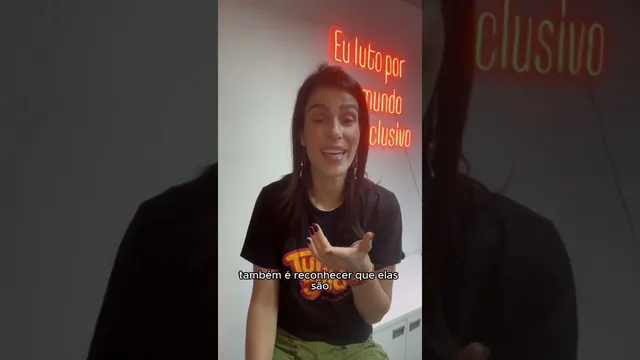
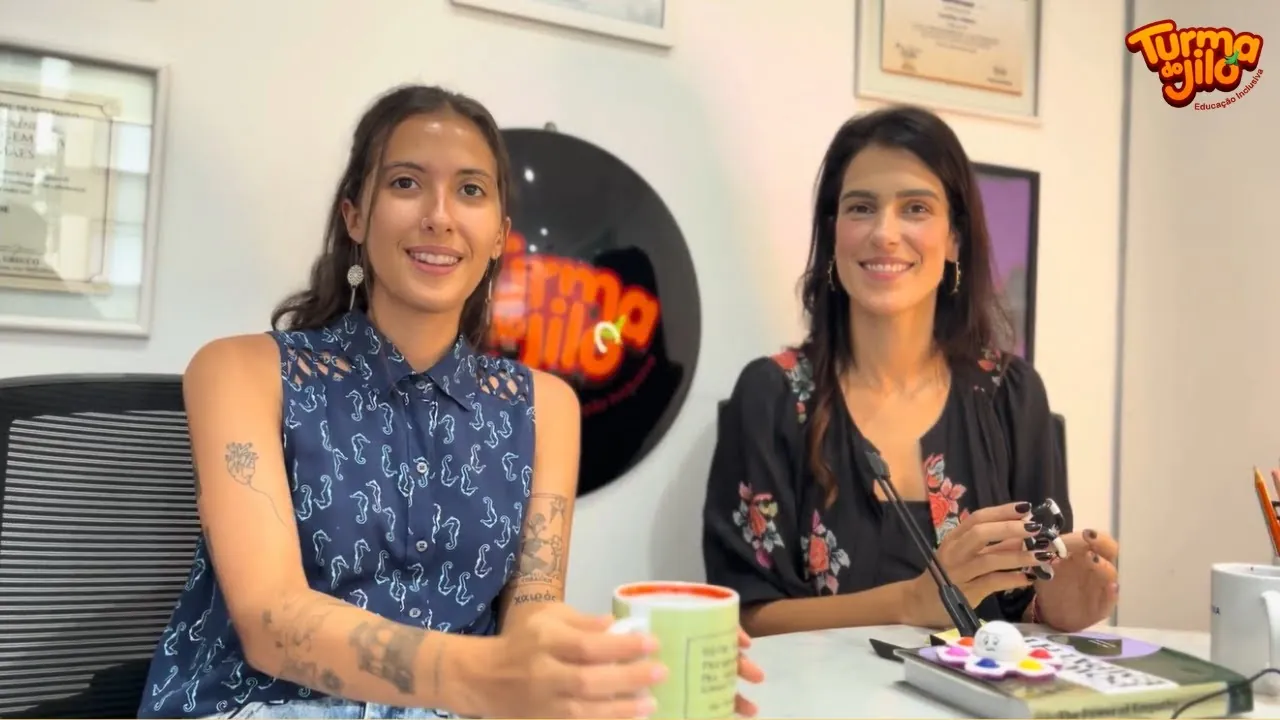
Carol Videira and Laura from Turma do Jiló share key insights from SXSW 2025. Discover the importance of social health, cognitive sovereignty, neurodiversity in the workplace, and ethical AI for a truly inclusive future. Get ready to reflect and act.
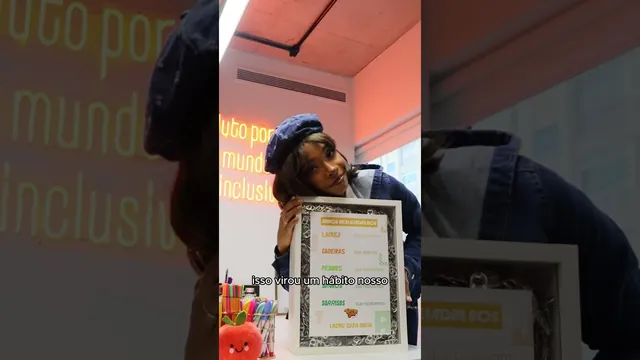
Returning from SXSW 2025 in Austin, Texas, we from Turma do Jiló – Carol Videira and Laura – bring crucial reflections on Artificial Intelligence (AI), accessibility, neurodiversity, and the future we are building. Follow along for key learnings towards a more inclusive future.
PUBLICIDADE (GAM) — 1250x250
Social Health: The Essential Human Connection
The opening of SXSW 2025, with social scientist Case and Killen, highlighted a fundamental yet little-discussed pillar of health: social health. Beyond physical and mental well-being, the quality of our relationships and human connection are vital. Studies presented show that good social health can increase life expectancy by up to 7 years. Its absence is as detrimental as smoking 15 cigarettes a day or severe obesity.
We live in a hyperconnected world, but this connection is often a fallacy. Exchanging messages doesn't replace eye-to-eye, skin-to-skin contact. Generation Z, in particular, seeks this genuine connection, valuing relationships based on transparency and authenticity, where one can truly be themselves without masks. The quality of these interactions is more important than the quantity, and group screen time is an enemy of real connection.
Cognitive Sovereignty: Mastering the Mind
Brené Brown, a prominent figure at SXSW, reinforced the importance of cognitive sovereignty. This involves having clarity and mastery over our cognitive processes, understanding the role of emotions in our decisions and actions. It's not about repression, but about managing emotions, knowing when to act, react, or take a moment before being carried away by autopilot. It is crucial to develop critical capacity to avoid being swayed by the crowd, especially in a world full of constantly influencing stimuli.
This highlights the need to teach young people – and us adults – about self-awareness and emotional management in schools and all environments.
Neurodiversity: Talents That Transform Work
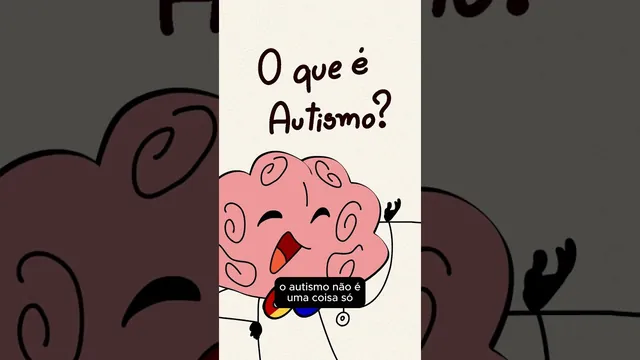
SXSW 2025 gave significant prominence to neurodiversity, with panels composed of neurodivergent individuals (with ADHD, autism, etc.) speaking about their own experiences. Research presented reveals that over 50% of Generation Z is neurodivergent (US data), which demands adaptation from the job market.
Diverse teams drive innovation, creativity, and stability in crises. Adapting the environment for neurodivergent individuals benefits everyone. Calmer environments, with sound-dampening floors or respected moments of hyperfocus, improve overall productivity.
Tips for Managers and Neurodivergents
For managers, some valuable tips:
- Don't over-rely on hyperfocus: Recognize that moments of hyperfocus (common in ADHD, autism, and giftedness) are followed by extreme exhaustion. Respect limits to prevent burnout.
- Offer breaks: Encourage moments of rest between activities.
- Continuous and constructive feedback: Neurodivergent individuals, who often face low self-esteem, benefit enormously from immediate and regular feedback, both positive and constructive. This validates their work and motivates them.
- Prepare meetings: Send the agenda in advance to reduce anxiety and allow everyone to prepare, optimizing everyone's time.
For neurodivergents, the "Body Doubling" (or "Focus and Do Together") technique can be useful. Working in pairs, whether in person or online, helps with motivation and productivity. Another strategy is to break difficult tasks into fragments: start with something light (appetizer), move to the main task (main course), and finish with something enjoyable (dessert), warming up the brain and maintaining motivation.
Ethical AI: Building an Inclusive Future Responsibly
Artificial Intelligence was a central theme at SXSW, with a strong warning: we need caution and protection for those who use and teach how to use AI. In education, AI already offers resources to make curricula flexible and adaptable, assisting teachers in the individualization of learning.
Amy Webb and other experts presented challenging scenarios for 2035, highlighting AI's potential for good and for ill. For example, AI can create speakers that cancel urban noise, promoting more peaceful environments. However, the same technology can be used for malicious purposes, such as climate terrorism. It's a fine line, requiring public policies, regulation, and security in its use.
The job market will transform, not be eliminated. The need for technological education, especially for girls in STEM fields, is vital to prevent increasing inequality. AI should be a tool at humanity's service.
Digital Prisoners, Not Natives
An innovative concept emerging from the festival questions the term "digital natives" for Generation Z. Many see themselves as "digital prisoners": they didn't choose to be born immersed in technology, but it is their reality. Contradictorily, this generation longs for real human connection, face-to-face. Technology should be a bridge, not a barrier to this connection.
Action and Cognitive Sovereignty: Our SXSW Legacy
SXSW 2025 left us with two keywords: action and cognitive sovereignty. It is necessary to act to ensure human rights in the AI era, so that no one is left behind. And for this, the mental clarity and discernment that cognitive sovereignty provides are indispensable. Knowledge and reflection on how we will use technologies and build our relationships will define the future. Let's act and build this inclusive future together!
PUBLICIDADE (GAM) — 1250x250