Education
Affinity Bias: The Brain and Unconscious Prejudice
Discover how your brain creates shortcuts that influence your choices and inclusion
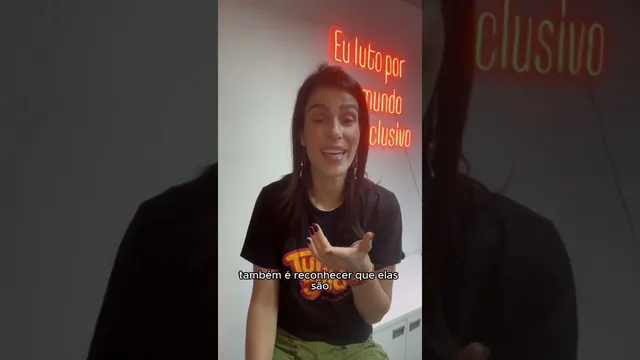
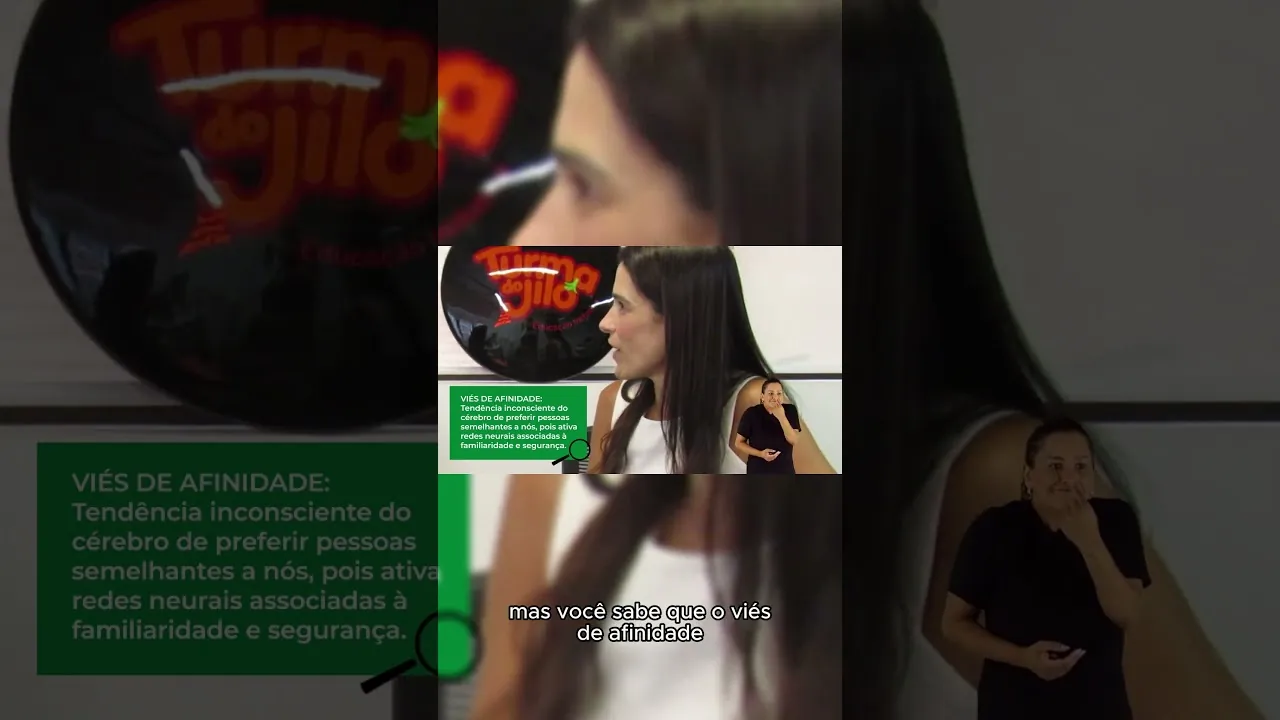
Do you know what affinity bias is? Carolina Videira and Adriessa Santos from Turma do Jiló explain how our brain favors those who resemble us, activating reward circuits. Understand how this unconscious prejudice affects our daily interactions and the importance of identifying it.
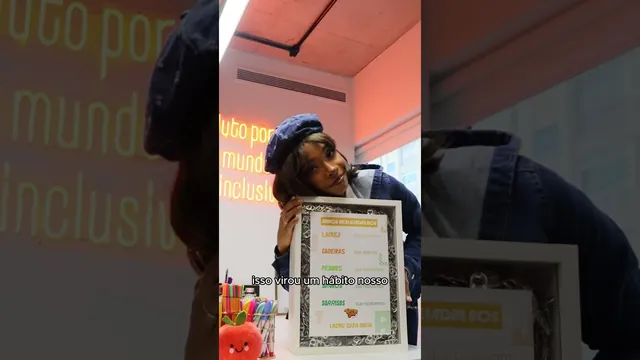
In the #JilóEnsina segment, Carolina Videira, co-CEO and founder of Turma do Jiló, and Adriessa Santos, Director of Education, invite us to an illuminating game show on prejudice and neuroscience. They unveil a fundamental concept for inclusive education: affinity bias. Have you ever stopped to consider how your brain, almost imperceptibly, creates shortcuts that directly influence your daily choices and interactions?
PUBLICIDADE (GAM) — 1250x250
What Is Affinity Bias?
Did you know your brain loves what's familiar? Affinity bias occurs because our brain has a natural tendency to activate reward circuits when interacting with people who resemble us. This means that when we encounter someone who shares our tastes, opinions, or even visual traits, we feel a kind of cerebral 'reward'. This search for recognition and similarity is an evolutionary mechanism, but it can generate unconscious biases. It's not just about appearance; it can be a shared passion, a similar way of thinking, or even a familiar accent. The brain seeks validation and comfort in what resonates with its own 'programming'.
How Does Affinity Bias Manifest in Daily Life?
This unconscious bias is not limited to trivial situations; it permeates our daily lives in surprising ways. Think of a conversation where someone expresses exactly what you were thinking – the feeling of connection is almost immediate, activating this bias.
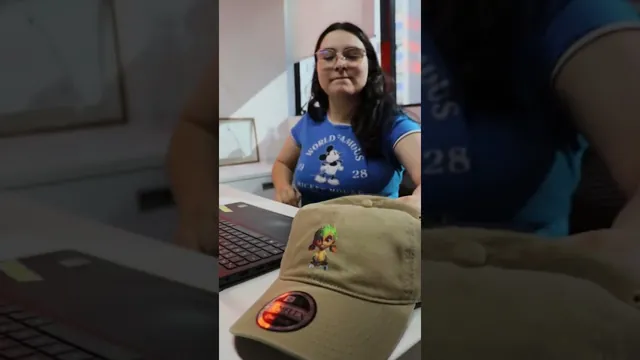
A classic, fun, and very real example is a soccer team. Carolina and Adriessa highlight how, upon seeing someone in their team's jersey, a feeling of camaraderie and affinity is almost instantaneous, even without knowing the person. This process extends to much more serious areas, such as recruitment and selection processes. A recruiter can, entirely unconsciously, favor a candidate who shares a hobby, an interest, or even a visual characteristic, like wearing glasses of a specific design, without realizing how this subtle prejudice is influencing the final decision. These small affinities, when unrecognized, can create invisible barriers to diversity and inclusion.
The Challenge of Awareness for a More Inclusive World
The big issue, as aptly pointed out by the specialists from Turma do Jiló, is that if we are not aware of these cognitive biases, we run the risk of continuously reproducing them, perpetuating patterns of exclusion. By understanding how our brain functions and creates these mental shortcuts, we gain the ability to identify and, consequently, deconstruct these biases in our daily lives. Inclusive education and the promotion of diversity necessarily involve this self-awareness. It is through this that we can build true bridges that value differences and ensure that affinity does not become a limiting filter for new perspectives and talents.
Overcoming Biases: Practices for Inclusion
To combat affinity bias, it is crucial to:
- Question your first impressions: Why did you like or dislike someone at first sight? Was there any similarity or difference that influenced this?
- Seek diverse perspectives: Actively seek to interact with and listen to people with experiences and worldviews different from your own.
- Establish objective criteria: In evaluation situations, such as recruitment, define and follow clear and measurable criteria to minimize the influence of personal biases.
Conclusion: A Conscious Step Towards Inclusion
Understanding affinity bias is more than an exercise in neuroscience; it is a crucial step towards fostering fairer, more welcoming, and truly inclusive environments, whether in schools, companies, or society at large. By becoming more critical and aware of our own tendencies, we actively contribute to an ecosystem where differences are celebrated, opportunities are equitable, and, as Turma do Jiló advocates, no one is left behind.
PUBLICIDADE (GAM) — 1250x250