Education
AEE and ABA: Demystifying Inclusive Education for All
Discover the differences between AEE and ABA and how they transform inclusive education
Do you know what AEE and ABA mean in the context of inclusive education? Many terms may seem similar but have distinct and fundamental purposes for the development of all students. Understand how these approaches contribute to a fairer and more welcoming education.
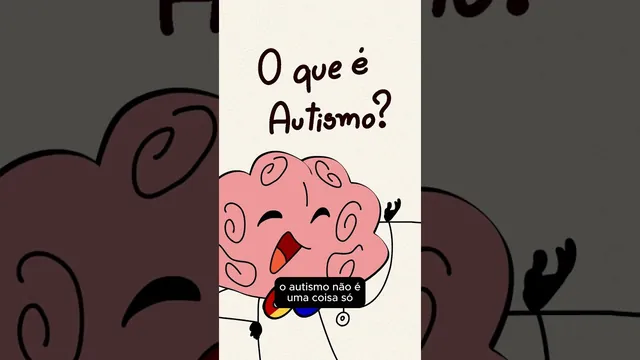
In the world of inclusive education, deciphering acronyms and concepts is essential to building a truly welcoming environment. Turma do Jiló, an inclusion specialist, invites us to understand two important terms that, although sometimes confused, play distinct and complementary roles: AEE and ABA.
PUBLICIDADE (GAM) — 1250x250
Inclusive Education: A Right for All
Inclusive education is a concept that transcends the mere presence of people with disabilities in school. It refers to an educational system that embraces and values the diversity of all students, regardless of their characteristics, ethnicities, genders, or conditions. Turma do Jiló advocates that inclusion is for everyone, building bridges toward a fairer and more equitable society.

Demystifying AEE: Specialized Educational Service
The AEE, or Specialized Educational Service, is a fundamental pillar of inclusive education in Brazil, guaranteed by law. Its function is not to replace mainstream education or serve as traditional academic tutoring. On the contrary, the AEE aims to identify, develop, and organize pedagogical resources and accessibility measures that eliminate barriers to the full participation and learning of students with disabilities, global developmental disorders, and high abilities/giftedness. It should be offered outside of regular school hours so that the student can continue interacting with their class and not miss content. The focus is on developing skills and potential, always seeking student autonomy.
Understanding ABA: Applied Behavior Analysis
Another approach frequently mentioned in the context of development and learning is ABA, Applied Behavior Analysis. As highlighted, ABA is considered one of the effective therapies available, despite some specific controversies. Based on scientific principles of psychology, ABA seeks to systematically understand and modify behaviors. It is widely used to develop social, communication, adaptive, and academic skills, especially in individuals with neurodevelopmental disorders, such as Autism Spectrum Disorder. The goal is to improve an individual's quality of life and independence through individualized and measurable interventions.
Complementarity for Effective Inclusion
Although AEE and ABA differ in their nature and application, both contribute to an inclusive ecosystem. AEE focuses on educational support within the school system, while ABA, as a therapy, works on developing broader behavioral and cognitive skills. Understanding and differentiating these terms is crucial for parents, educators, and society in general. By demystifying these approaches, Turma do Jiló emphasizes the importance of building bridges toward a more welcoming society where each individual is valued and has their needs met to thrive.
PUBLICIDADE (GAM) — 1250x250