Education
ADHD: Avoid Self-Diagnosis and Learn Essential Tips
Understand ADHD responsibly, avoid self-diagnosis, and discover effective strategies for a more organized and fulfilling life.
The internet is flooded with ADHD videos, but are they all trustworthy? In this article, Laura and Natália from Turma do Jiló warn about the dangers of self-diagnosis and misinformation. Discover how the disorder truly manifests and get practical tips for those already diagnosed.
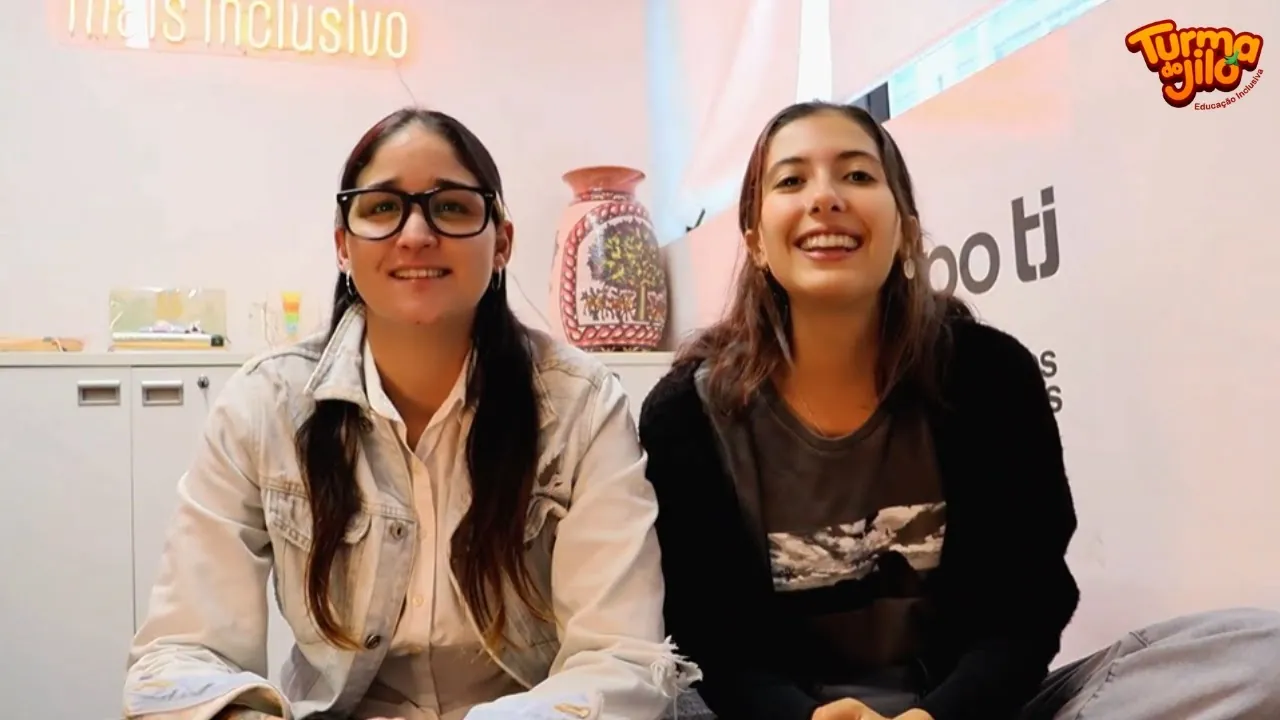
In today's "Jiló Explains," Laura, marketing coordinator, and Natália, business director at Turma do Jiló, discuss a topic that generates much debate and, at times, misinformation: ADHD (Attention Deficit Hyperactivity Disorder). Both diagnosed with ADHD, they challenge the idea of self-diagnosing based on online content and offer a critical perspective and valuable tips for those seeking to understand and live better with the disorder.
PUBLICIDADE (GAM) — 1250x250
The Danger of Self-Diagnosis and Misinformation
Although many social media videos promise "five signs of ADHD" and joke about the disorder, Laura and Natália warn: 41% of ADHD videos on these platforms contain inaccurate information. In an era of misinformation, the phenomenon of mass self-diagnosis is particularly dangerous. When "everyone thinks they have ADHD," those who truly need support, diagnosis, and adaptations end up being overlooked. Furthermore, self-medication, driven by these hasty conclusions, is extremely risky.
ADHD goes far beyond forgetting where you put your keys or a momentary distraction. It manifests as a combination of impulsivity, hyperactivity, and difficulty with organization that significantly impacts various areas of life. It is crucial to understand that the context and intensity of these symptoms are vital for a correct diagnosis, comparable to the difference between the flu and pneumonia.
Seeking Professional Help and Leveraging ADHD
Given the complexity of ADHD, the recommendation is clear: seek a neuropsychologist or psychiatrist. These professionals are the only ones qualified to investigate the case through tests and in-depth conversations, going far beyond a 30-second meme. For those already diagnosed, it's important to remember that, with the right support and strategies, ADHD can become a strength. Characteristics such as creativity, energy, the ability to think outside the box, and hyperfocus on something truly interesting can be great allies.
Practical Strategies for Daily Life with ADHD
To live better with ADHD, some simple strategies can make a big difference:
- Organization with Planners and Alarms: Using a planner or spreadsheet can help organize tasks. Using phone alarms at strategic intervals helps maintain focus and complete activities.
- The Meal Technique: Approach difficult tasks like a meal. Start with the "appetizer" (the easiest part), move to the "main course" (the challenging part), and finish with "dessert" (something pleasant and easy to do).
- Sounds for Focus: Instrumental music, white noise, or even podcasts can help improve concentration. Avoid music with lyrics or alternating volumes. Turma do Jiló suggests focus playlists with specific frequencies, like 430 Hz, available on platforms such as Spotify.
- Kitchen Organization: To avoid food waste, use transparent containers in the refrigerator. The old saying "out of sight, out of mind" is very real for those with ADHD. A list on the fridge door of what's inside is also a great idea.
- Drawing and Writing: When a whirlwind of ideas or doubts arises, drawing or writing down your thoughts helps organize your mind and relieve anxiety. Trying to put it on paper, physically, helps externalize these thoughts, which can often lead to anxiety attacks or panic.
- Manual Activities: To channel hyperactivity, activities like painting, cooking, or even washing dishes can calm the mind and direct this energy productively.
- Learn to Set Boundaries: The most important thing is to set boundaries at work, with family, and with friends. It's not necessary to be 100% available all the time. This practice is essential to prevent burnout, a serious condition that takes longer for neurodivergent individuals to recover from.
ADHD: Seriousness and Inclusion
ADHD is not a trend or a meme; it is a serious condition that requires care and empathy. The more responsibly the topic is discussed, the more space opens up for an understanding society, with less judgment and true inclusion. Turma do Jiló emphasizes the importance of correct information to transform everyone's lives, ensuring that no one is left behind.
PUBLICIDADE (GAM) — 1250x250