Lifestyle
Sisterhood in Focus: Misogyny Among Women and Female Unity
A discussion on Donas da Voz explores the complexity of female support and a surprising observation about misogyny.
On Donas da Voz, the discussion raises a crucial point: the necessity of unity among women. The episode delves into the idea that misogyny, at times, manifests more intensely among women themselves, challenging sisterhood. Prepare for a revealing conversation about support, leadership, and building a more empowered future.
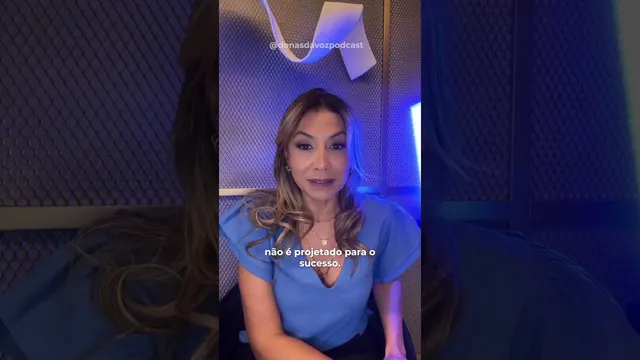
In an intriguing segment of Donas da Voz, the conversations preceding the participation of the Powercast hosts bring to light an essential topic for the female universe: sisterhood. Livia Matos and the guest delve into the complexity of relationships among women, discussing the importance of unity and the challenge of overcoming internal judgments to build a genuine support network.
PUBLICIDADE (GAM) — 1250x250
The Undeniable Power of Sisterhood
At the heart of the discussion is the urgent need for women to see each other with love and unity. Livia Matos emphasizes that the time for judgments and accusations must end. The goal is clear: to protect and support one another. When a friend embarks on a new project, the expected attitude is unconditional support—liking, commenting, and sharing. This is the essence of what Donas da Voz advocates, a space where mutual support is the foundation for growth.
Female Leadership and a Legacy for Generations
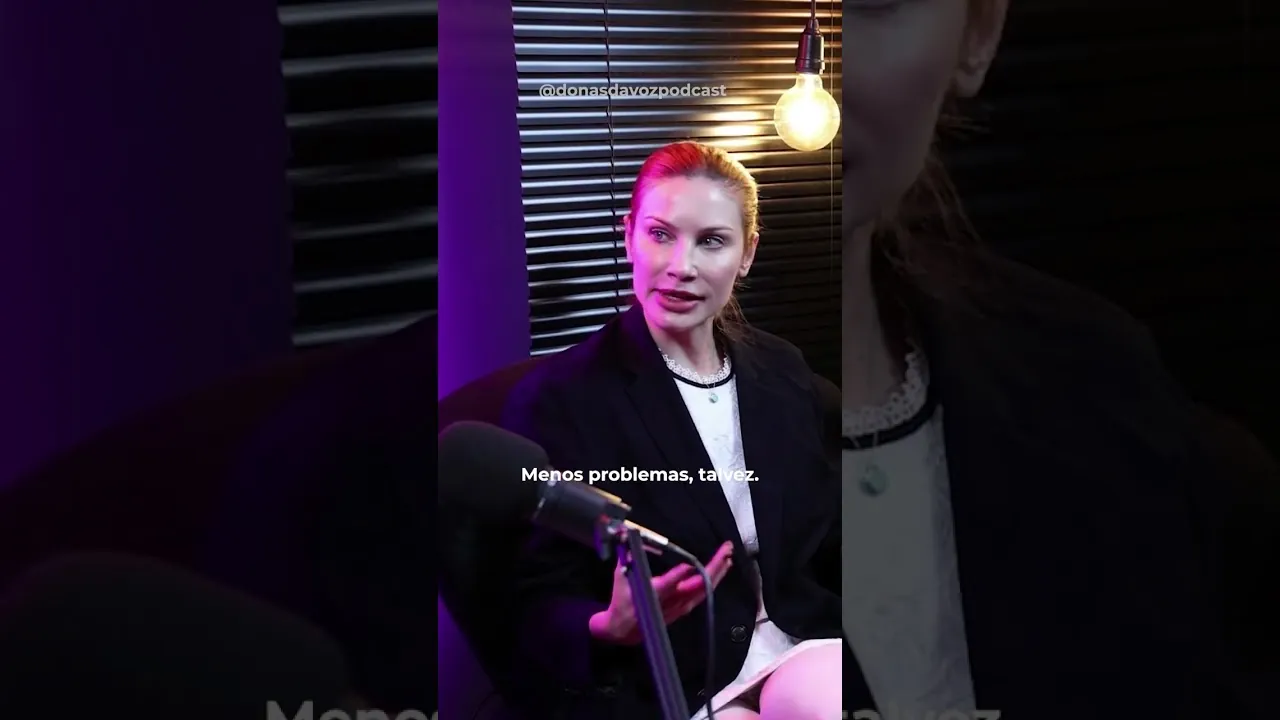
The discussion deepens by touching upon the role of women leaders. For the participants, the presence of strong female figures is crucial for shaping future generations, paving a path with fewer obstacles and challenges. It is acknowledged that, despite advancements, Brazil still contends with prejudice and misogyny. However, there is a hopeful vision that, with unity and female leadership, many problems can be mitigated in the future.
Veiled Misogyny: An Internal Reflection
A turning point in the conversation emerges with a strong observation: "I still see misogyny much more from women than from men." This statement provokes a deep reflection on how internalized misogyny can manifest in female interactions. It is an invitation to self-analysis, for women to identify and deconstruct prejudices within their own attitudes, strengthening sisterhood from within and ensuring that unity is true and effective.
The final message from Donas da Voz is a powerful appeal: Empower yourself, be inspired, and transform through unity. Recognizing and combating misogyny in all its forms, including that which may come from other women, is a vital step towards building a future where female strength is celebrated and unwavering.
PUBLICIDADE (GAM) — 1250x250