Lifestyle
Menopause Without Taboo: Hormone Replacement and a Full Life After 40
Discover how menopause can be a phase of renewal and well-being with the right information and support.
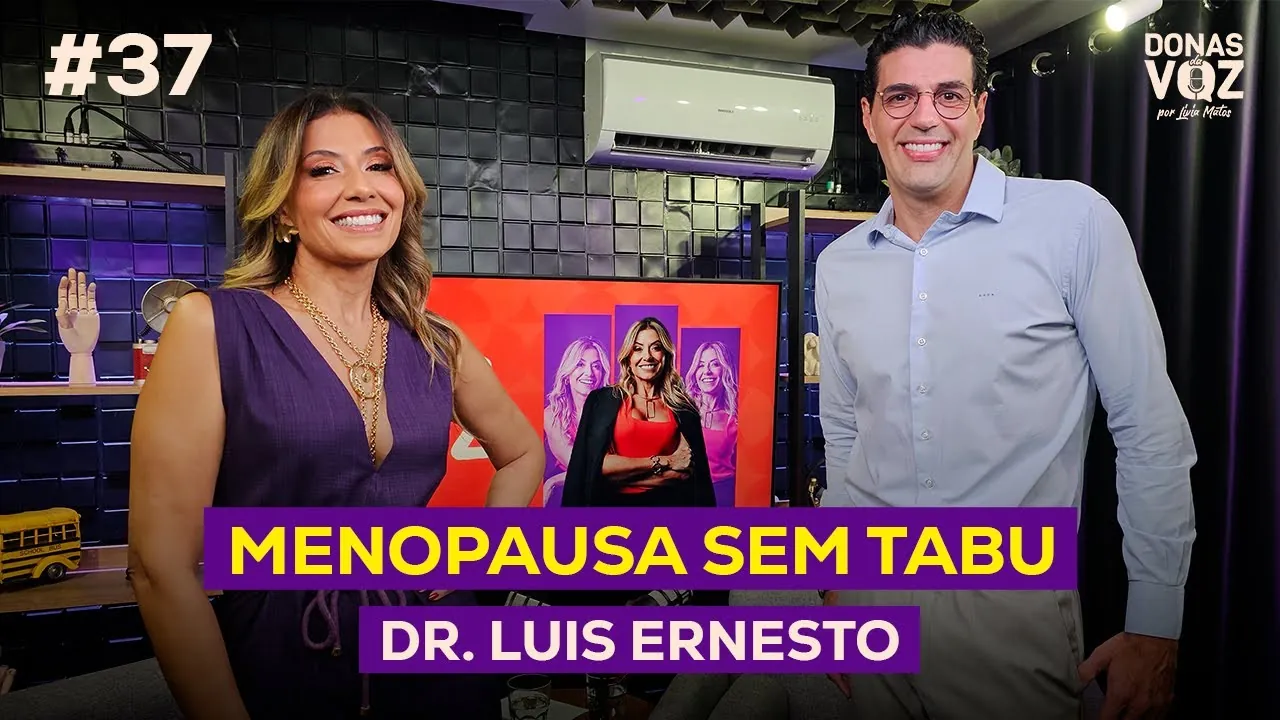
Menopause, though inevitable, doesn't have to be a period of suffering. With Dr. Luis Ernesto, a gynecologist specializing in hormone replacement, we uncover the taboos and solutions for living this phase to the fullest. Learn about symptoms, the benefits of hormone therapy, and how lifestyle impacts your health.
Welcome to another episode of Donas da Voz, where we transform inspiring conversations into empowering articles. Today, with our host Livia Matos and Dr. Luis Ernesto, a gynecologist and hormone replacement specialist, we will demystify a topic that still carries many taboos: menopause. Prepare for a journey of knowledge that can change your perspective on this natural phase of life.
PUBLICIDADE (GAM) — 1250x250
What is Menopause and Why is it Still a Taboo?
Menopause is a natural moment in every woman's life, characterized by the definitive absence of menstruation for one year. For Brazilian women, the average age for this transition is between 48 and 50 years old. Physiologically, it's when the ovaries stop ovulating, and consequently, there's a drastic decrease in the production of reproductive hormones, such as estrogen, progesterone, and some testosterone.
Why is such a natural topic still a taboo? Dr. Luis Ernesto explains that many women don't recognize the symptoms or normalize them. In the past, it wasn't discussed, and menopause was often associated with old age. This stigma prevents many from seeking help, leading them to accept symptoms that deeply affect their quality of life, from psychological and sexual well-being to relationships and work productivity.
The Transition: Perimenopause and Common Symptoms
There isn't an "on and off switch" for menopause. Before it, many women experience perimenopause, a phase where the ovaries begin to alternate hormone production, causing menstrual cycle irregularities and the gradual appearance of symptoms. Symptoms can be similar to those of menopause but intensify when estrogen levels become very low.
Among the most common symptoms, Dr. Luis Ernesto highlights:
- Hot flashes: Extremely common and directly impacts sleep.
- Brain changes: Difficulty with concentration, forgetfulness (the famous brain fog).
- Irritability, distraction, and bad mood.
- Physical changes: Dry skin, lifeless hair, ease of weight gain (especially in hips, thighs, and buttocks), and difficulty gaining muscle mass due to the drop in testosterone.
- Vaginal health: Decreased lubrication and elasticity, causing pain during sexual intercourse.
These symptoms can be so impactful that highly productive women feel they are in "collapse," seeking help to "return to who they were."
Hormone Replacement Therapy: Myths, Truths, and Benefits
Hormone Replacement Therapy (HRT) is one of modern women's main allies. Dr. Luis Ernesto emphasizes that it's not too early to start; on the contrary, HRT helps prevent a range of long-term health problems in addition to alleviating immediate symptoms.
He stresses the importance of not waiting for menopause to be clinically diagnosed (1 year without menstruation) before acting. Symptomatology is the crucial point. HRT can quickly control symptoms like hot flashes, which affect sleep and trigger a cycle of fatigue, poor diet, and high cortisol levels.
Myths and Truths about HRT and menopause:
- Does HRT cause cancer? The risk of breast cancer is small and low, but it exists. However, the risk of heart attack and other cardiovascular diseases without replacement is much higher and more lethal. Routine examinations are essential.
- Does menopause mean the end of sexual life? False. The drop in libido (associated with testosterone) and pain during intercourse (associated with estrogen) are treatable. Replacement can revitalize sexual life, which is fundamental for well-being and marital relationships.
- Do natural treatments replace hormones? False. There is no scientific evidence that teas or isoflavones offer the same benefits as hormone replacement.
In addition to alleviating symptoms, HRT prevents diseases such as osteoporosis (estrogen protects bones), heart attack, high blood pressure, and diabetes. Treatment is individualized, seeking the ideal dose for each woman, with the goal of improving quality of life and longevity.
Longevity, Lifestyle, and the Future of Women
Modern women live longer and want to live better. At 50, life is far from over. The longevity of Brazilian women is increasing, and menopause should not be an impediment to an active and full life. Lifestyle plays a fundamental role in this process. Dr. Luis Ernesto highlights the "longevity triad": quality sleep, healthy eating, and regular physical activity.
- Muscle Mass: After age 60, muscle mass is directly linked to life expectancy. Strength training is crucial, even in small doses, to maintain strength and balance, preventing falls and fractures (especially in cases of osteoporosis).
- Mental Health: Estrogen acts on brain areas related to memory, cognition, and perception. Its absence can impact behavior, self-esteem, and relationships. Hormone replacement can aid in maintaining mental clarity and emotional well-being.
Female biology, at times, seems ungrateful. The peak of a professional career often coincides with declining fertility. Egg freezing emerges as an essential tool for women who wish to delay motherhood, ensuring the possibility of future pregnancy with better quality eggs.
Menopause: Myths and Truths – A Quick Q&A
To definitively demystify the topic, Dr. Luis Ernesto answered some questions:
- Does menopause only happen after 50? False. It can happen earlier, even before 40 (premature menopause).
- Are hot flashes a real symptom? True. 80% of women experience them, and they are explained by hypothalamic changes.
- Does menopause alter the appearance of skin, hair, and nails? True. Estrogen is vital for collagen.
- Does menopause mean the end of sexual life? False. With support, it's possible to have a pleasurable sexual life.
- Is getting pregnant during menopause impossible? False. With assisted reproductive therapies, it's possible (as in the case of Claudia Raia).
- Do all women need hormone replacement? True, if they are eligible and if symptoms disrupt their quality of life. More than 90% of women can undergo it.
- Does lifestyle influence menopause symptoms? True, and significantly!
Menopause is not a disease, but a phase that requires attention and care. Don't settle for discomfort. As Dr. Luis Ernesto teaches, you need to love yourself and take care of yourself from the inside out. Seek information, talk to your gynecologist, and discover the available options to live this stage with vitality, health, and the fullness you deserve. Medicine has evolved, and you don't have to accept a life of suffering. Empower yourself, get inspired, and transform!
PUBLICIDADE (GAM) — 1250x250