Lifestyle
Inclusive Language: The Correct Term for People with Disabilities
Understand the importance of respectful and inclusive language when talking about disability.
In Donas da Voz, Dr. Daniela Bortman clarifies how to use the correct terms when referring to disability. Discover why "person with a disability" is the appropriate phrase and what the different types of disabilities are. An essential conversation about respect and inclusion through words.
In Donas da Voz, Dr. Daniela Bortman introduced a fundamental topic for building a more inclusive and respectful society: language. Alongside Livia Matos, she highlighted how word choice is crucial when referring to people with disabilities, emphasizing that the way we speak shapes perception and respect.
PUBLICIDADE (GAM) — 1250x250
The Power of the Phrase: "Person with a Disability"
Dr. Daniela Bortman reiterates that the correct way to refer to someone is "person with a disability". She clearly explains the reasoning behind this: disability is a characteristic, not the entirety of an individual. When we simply say "disabled," we are stripping away the person's humanity and reducing them to their condition.
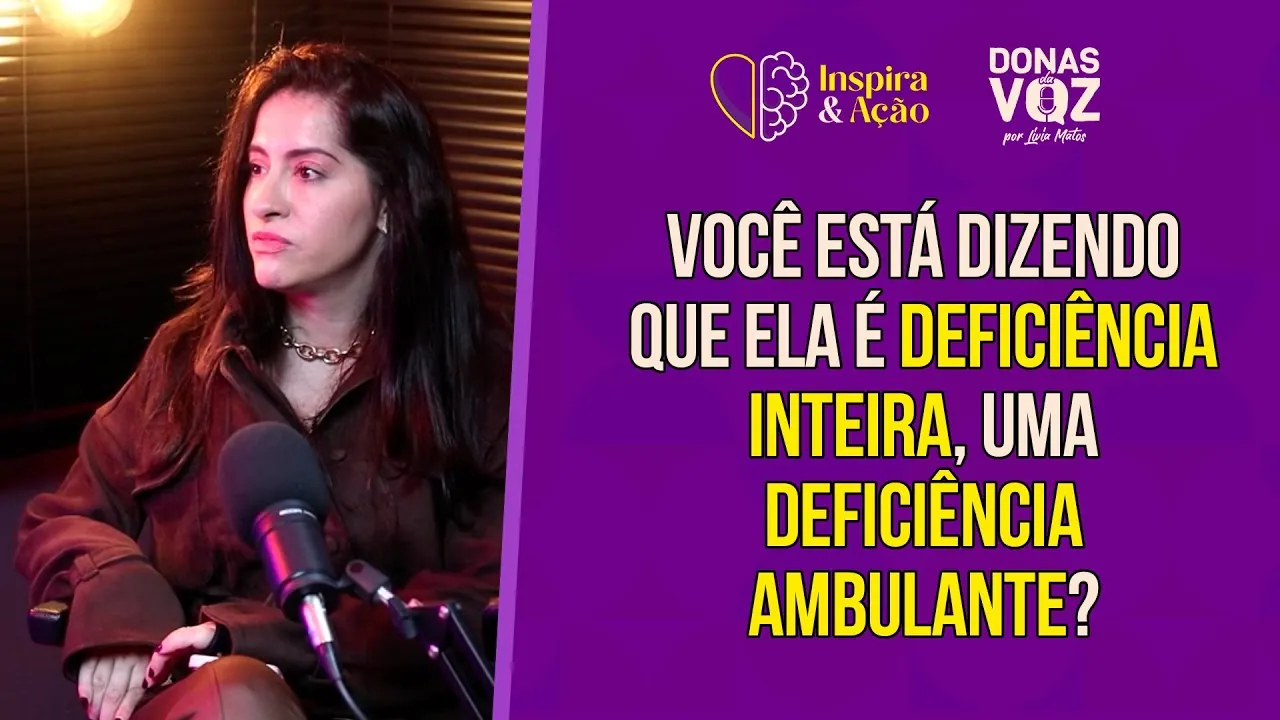
Imagine asking: "Is so-and-so disabled, disabled in what way?" Disability is just one aspect of someone's life, not their complete identity. The term "disabled" by itself is vague and derogatory, suggesting that the person is "an entire disability, a walking disability." Our goal is to recognize the person before the disability, prioritizing their individuality and dignity.
Types of Disability: Know to Respect
It is also important to know that there are different types of disabilities and how to refer to each of them specifically and correctly. Dr. Daniela Bortman lists the main ones:
- Person with a physical disability
- Person with a hearing disability
- Person with a visual disability
- Person with an intellectual disability
This specificity is vital for clarity and respect, ensuring that communication is precise and values the person in their entirety. Remember, language has power: it can include or exclude, empower or marginalize. By adopting inclusive language, we are building bridges and a more just future for everyone.
PUBLICIDADE (GAM) — 1250x250