Lifestyle
Gaslighting: Identify Manipulation and Protect Yourself
Understand how common phrases can hide manipulation in toxic relationships and preserve your well-being.
Phrases like 'You're overreacting' or 'Look what you made me do' can be signs of gaslighting, a subtle form of manipulation. Learn to recognize these patterns, protect your boundaries, and seek help to overcome abusive relationships. Donas da Voz helps you strengthen your relationships.
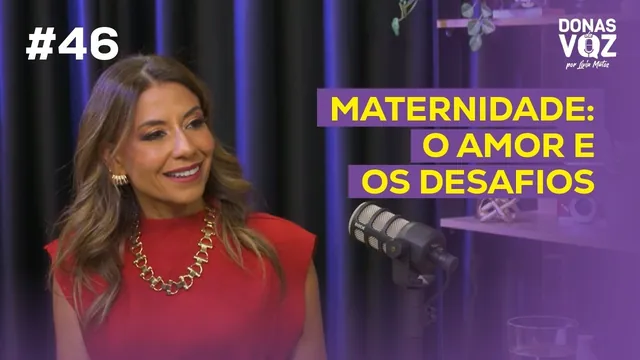
In the "Sua Voz" segment of Donas da Voz, host Livia Matos addresses a crucial topic for relationship health: gaslighting. Many women have heard phrases like "You're overreacting," "Look what you made me do," or "Stop acting crazy." These seemingly harmless expressions are tactics of emotional manipulation that lead us to question our own sanity and distrust our feelings. To delve deeper into this discussion, the episode features consultant Claudia Lisboa and neuropsychologist and writer Andreza Thans, who offer valuable insights on how to identify and overcome these challenges.
PUBLICIDADE (GAM) — 1250x250
What is Gaslighting?
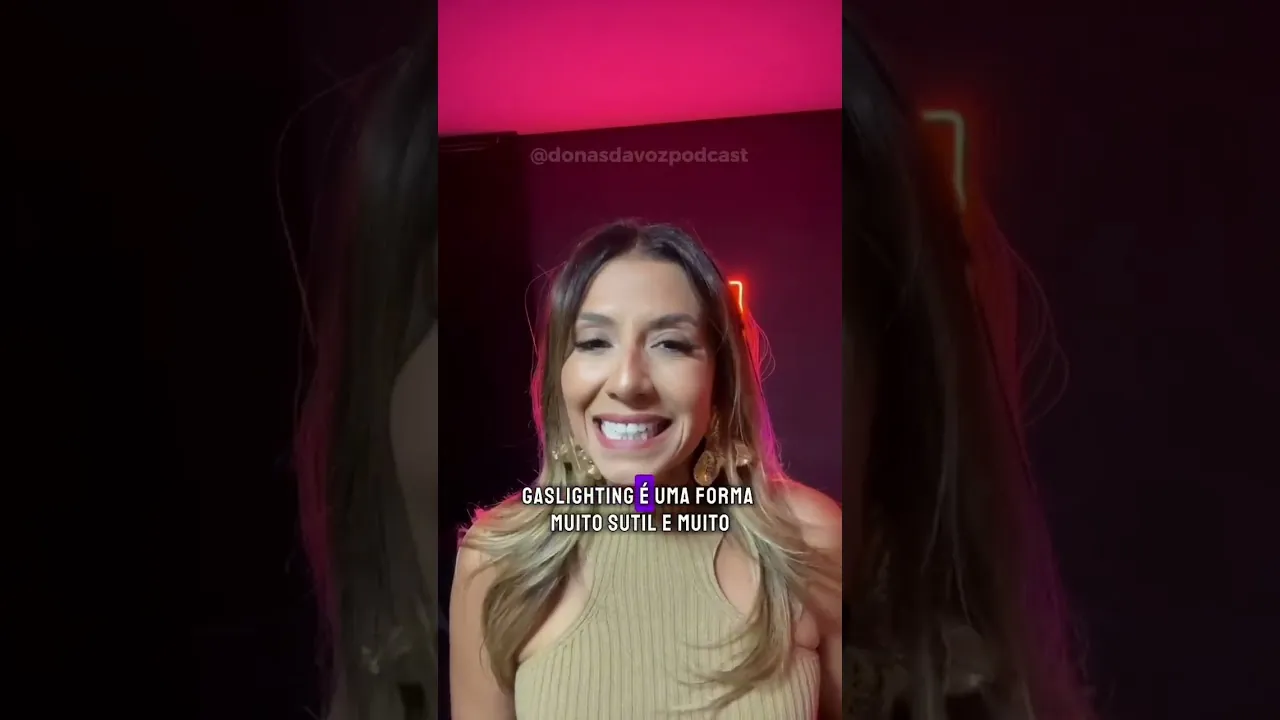
Gaslighting is a form of psychological manipulation that aims to make the victim doubt their perception of reality, their memories, and their sanity. It is a subtle but extremely destructive practice, common in abusive relationships.
The phrases mentioned earlier, such as "You're overreacting, come on," "You know I was just kidding," or "If you loved me, you wouldn't say that," are classic examples of how the manipulator distorts reality to escape responsibility and make the victim feel guilty or insane. This constant invalidation of another's feelings erodes the victim's self-esteem and self-confidence.
Warning Signs: Don't Ignore Your Instincts
How many times have we, women, gotten used to not trusting our own instincts at first? Gaslighting leads us into this trap. If you constantly feel like you're walking on eggshells, with the sensation that you're always doing something wrong, or if you notice that your boundaries are frequently crossed, it's a strong indication that something is not healthy in your relationship.
It's crucial to be attentive to these signs. The manipulator acts in a way that makes the victim feel confused, guilty, and often isolated. Recognizing these tactics is the first step to defending yourself and regaining control of your narrative.
How to Protect Yourself and Overcome Toxic Relationships
The best way to protect ourselves from an "enemy," even if it's someone we've chosen to be by our side, is by knowing their strategies. It's not easy to admit we're in an abusive relationship, but self-observation and recognizing toxic behavior patterns are essential.
- Trust your instincts: If something feels wrong, it probably is. Don't let yourself be convinced that you're "crazy" or "overreacting."
- Seek a support network: Talking to friends, family, or mental health professionals can offer an external perspective and the necessary support to get out of the situation. Don't hesitate to seek help.
- Reaffirm your boundaries: Start recognizing and defending your own limits, even if it initially causes discomfort. Your mental health and well-being come first.
Andreza Thans and Claudia Lisboa emphasize the importance of reflecting on the health of our relationships and seeking ways to overcome toxic patterns. Remember, you are not alone on this journey. The Donas da Voz community is here to welcome you and inspire you to build healthier and more empowering relationships.
PUBLICIDADE (GAM) — 1250x250