Lifestyle
Digital Influence: Who's the 'Idiot' on Social Media?
Learn how to differentiate valuable content from mere generational differences in the digital world.
The internet has transformed how we are influenced, sparking a debate about what constitutes quality content. What we label as 'idiotic' might simply be a different perspective or something not meant for us. Explore the importance of an open mind and active listening to navigate social media wisely and without prejudice.
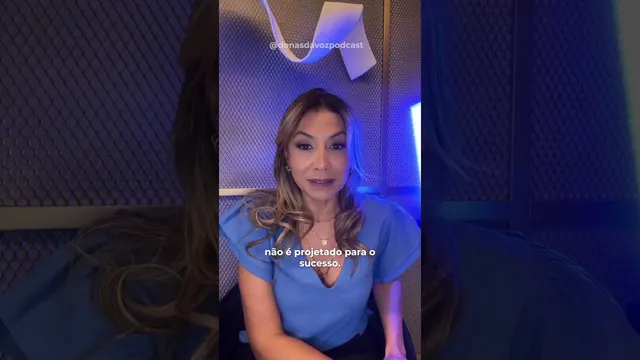
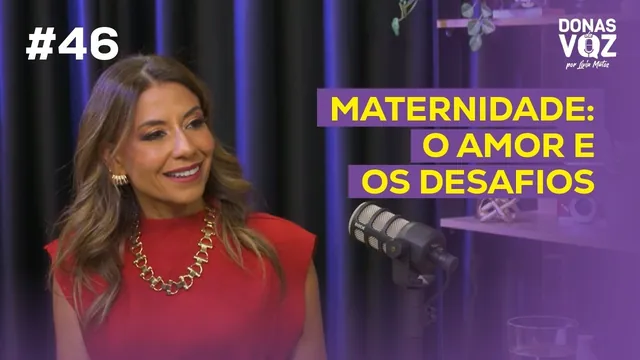
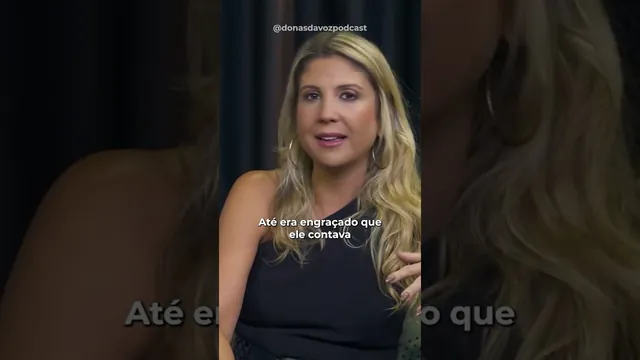
In the videocast Donas da Voz, host Livia Matos and her guest delve into a crucial debate about digital influence in our era. They question the fine line between what we consider 'bad' content and what, in reality, is simply a manifestation of different realities and generations.
PUBLICIDADE (GAM) — 1250x250
The New Era of Influence: A World at Our Fingertips
If we were once influenced by figures like parents, teachers, and book authors, today the landscape has changed drastically. The democratization of content, driven by technology, puts 'a world in our hands,' as the show's guest points out. However, this freedom can be a double-edged sword, leading to superficiality in evaluating important topics and exposure to influences we might consider 'idiotic'.

The 'Spirit of the Age' and Generational Complexity
Livia Matos emphasizes the importance of being more generous with ourselves and with others, understanding what Germans call Zeitgeist – the spirit of the age. This concept helps us understand the cultural context and generational conflicts that shape our perception. Technological evolution has accelerated the differences between generations, such as Livia's and her son's, who seem to live in distinct eras. She stresses that we should not assume superiority in our preferences or inferiority in the tastes of younger generations, like Generation Z.
Listen Before You Judge: The Path to Understanding
Before categorizing something as 'idiotic,' it's crucial to listen. Livia's guest suggests that often, disagreement arises from a different form of communication, and not necessarily from an error in the content itself. Livia adds, encouraging active listening even when there's disagreement. By allowing ourselves to listen, we might discover that the other person's perspective isn't so different from our own, or that there's something valuable to learn. An open mind is essential to live well and continue learning in such a diverse world.
In the digital environment of social media, we are constantly challenged to discern what truly benefits us. Donas da Voz invites us to reflect: are we judging based on generational prejudices, or are we truly open to new perspectives? Remember that female empowerment also involves the ability to critically and empathetically analyze the diverse voices around us.
PUBLICIDADE (GAM) — 1250x250