Lifestyle
Depression: Understand and Find Paths to Overcoming It
Discover the difference between sadness and depression and how proper treatment can transform your life.
Depression is more than fleeting sadness; it's an illness requiring treatment and support. In this article, we explore its symptoms, impact on relationships, and the importance of seeking professional help. Discover how it's possible to regain your quality of life and self-esteem.
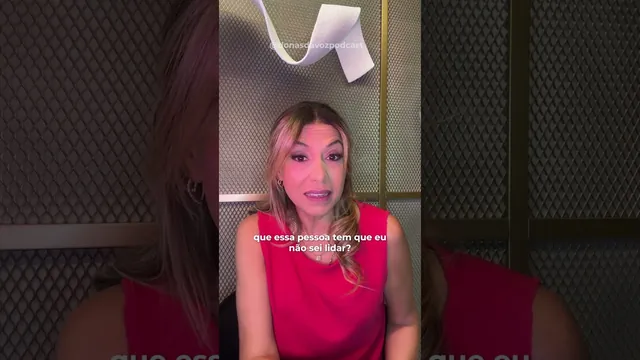
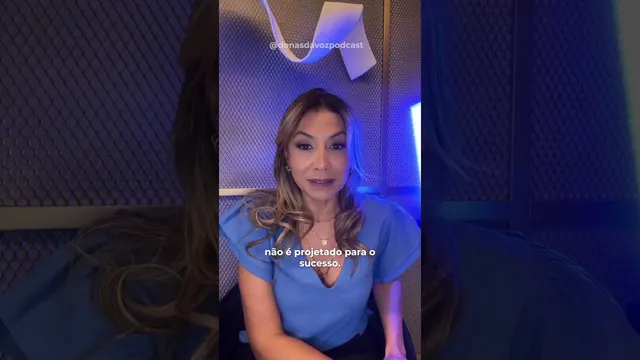
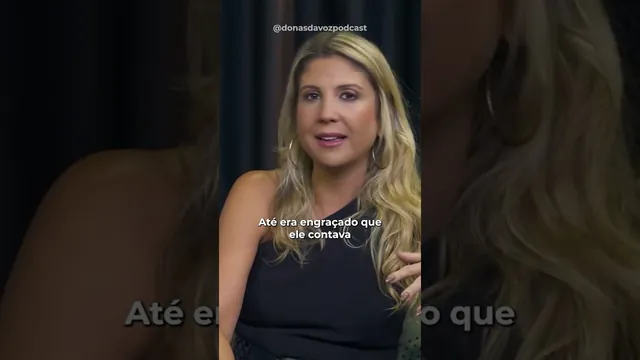
On the 'Her Voice' segment of Donas da Voz, host Livia Matos welcomes neuropsychologist, speaker, and writer Andreza Thans for an essential chat about depression, what many call the 'scourge of the century'. Based on an emotional letter from a listener who feels in ruins, the conversation delves into the depths of this condition, offering support and paths to recovery. This article explores the nuances of depression, demystifying taboos and reinforcing the importance of proper treatment.
PUBLICIDADE (GAM) — 1250x250
Depression: Beyond Sadness
It's crucial to understand the fundamental difference between sadness and depression. Sadness is a natural emotional state, a reaction to events such as a loss, grief, or unemployment. While it brings discouragement, it generally doesn't prevent a person from continuing with their daily life. Depression, on the other hand, is categorized as an illness, a neurochemical imbalance in the brain that profoundly affects an individual's functioning. It is not a lack of willpower or ingratitude, but a breakdown in cerebral neurotransmission, resulting in a drastic reduction in energy and loss of pleasure in activities that were once stimulating. Andreza Thans warns that many people with depression may be smiling on the outside and even participating in social events, but inside, they feel deeply torn apart.

Symptoms, Myths, and Risk Factors
The symptoms of depression are diverse and not always visible. Besides deep sadness, they include irritability, isolation, panic attacks, anxiety, and physical pains that have no apparent organic cause. It's a myth that depressed people are constantly crying; the pain is often internal and invisible. Depression can affect anyone, regardless of age, lifestyle, social position, or appearance — it has no color or socioeconomic status. For women, the age group of 25 to 45 years is a period of greater vulnerability due to hormonal fluctuations (PMS, pre-menopause, and menopause) and the pressures of adult life, such as career and motherhood. Childhood life experiences also shape predisposition. Social media contributes to the worsening of conditions, fostering constant comparison with unrealistic 'perfect lives,' which intensifies feelings of inadequacy and loneliness. We are more digitally connected but more humanly isolated, as Livia Matos highlighted regarding the SXSW theme.
The Path to Treatment and Recovery
The good news is that depression has treatment, and it is effective. The use of medications is still a taboo, but Andreza Thans explains that they do not cause dependency when monitored by a psychiatrist. Medication is crucial for replenishing missing brain chemistry, such as serotonin, which functions as the brain's 'fuel.' Without it, a person lacks the energy for basic activities. Psychotherapy, conducted with a psychologist, is equally vital, offering self-knowledge and tools to deal with emotional pain and negative thought patterns. Medication treatment and psychotherapy go hand in hand and are both essential for recovery. A serious psychiatrist, in addition to initiating medication, plans its tapering, and the psychologist strengthens the brain to cope with daily activities. It's a process of reconstruction, like clearing debris from a collapsed building to save the person.
Support, Self-Esteem, and a New Beginning
The listener, who feels in ruins, should seek professional help as a first step. Andreza Thans suggests looking to the past: current loneliness and pain might be echoes of unhealed childhood wounds. It's not about 'reclaiming authority' over her daughters, but about reclaiming the love, validation, and support that perhaps she herself never received. It's an invitation to forgive herself for the guilt of past absence, understanding that she did the best she could at each stage of life. The recovery of self-esteem and emerging from depression begins with self-forgiveness and the recognition of one's own worth and the life that can still be lived. Taking care of oneself is a prerequisite for being able to help others. The final message is one of hope: there is no weakness in asking for help. Sharing the weight of life's 'bags' with a trusted person or a professional is an act of intelligence and the first step towards a new beginning. You are not alone; the Donas da Voz support network and professional help are here to guide you.
PUBLICIDADE (GAM) — 1250x250