Lifestyle
Abusive Relationships: The Fairy Tale That Became a Nightmare
Understand how romanticizing the 'princess life' can trap you in toxic cycles and discover the path to liberation.
Many women have either experienced or know someone who has been through a toxic relationship. Learning to identify the signs and understand the dynamics of emotional dependency is crucial for self-protection. "Donas da Voz" explores how romantic idealization makes us vulnerable.
In the Donas da Voz universe, the conversation is always open and empowering, and this time the focus turns to a delicate and crucial topic in many women's lives: abusive relationships and emotional dependency. It's an essential discussion for anyone seeking self-knowledge and protection.
PUBLICIDADE (GAM) — 1250x250
The Dangerous Romanticization of the Princess Life
From an early age, we are taught to romanticize the princess life, idealizing a "happily ever after" that doesn't always align with reality. This distorted view can leave us more vulnerable, preventing us from seeing the first signs of a toxic relationship. After all, an abusive relationship doesn't start overnight; it settles in subtly.
How Abuse Takes Hold and Destroys Self-Esteem
It's common for many women to have experienced some type of toxic relationship. Over time, the abuser gradually erodes self-esteem and isolates the victim from loved ones. It's a slow process, rarely noticed at the beginning. Gradually, the person finds herself isolated and with a shattered self-image, often without understanding how she got into that situation.
The Financial Card: A Form of Imprisonment
In many cases, financial dependency becomes one of the abuser's last and most powerful tools of control. Without financial autonomy, a woman feels even more trapped, making it difficult to leave the relationship. Economic independence is, therefore, a crucial move in the pursuit of freedom.
Emotional Dependency and the Narcissist's Cycle
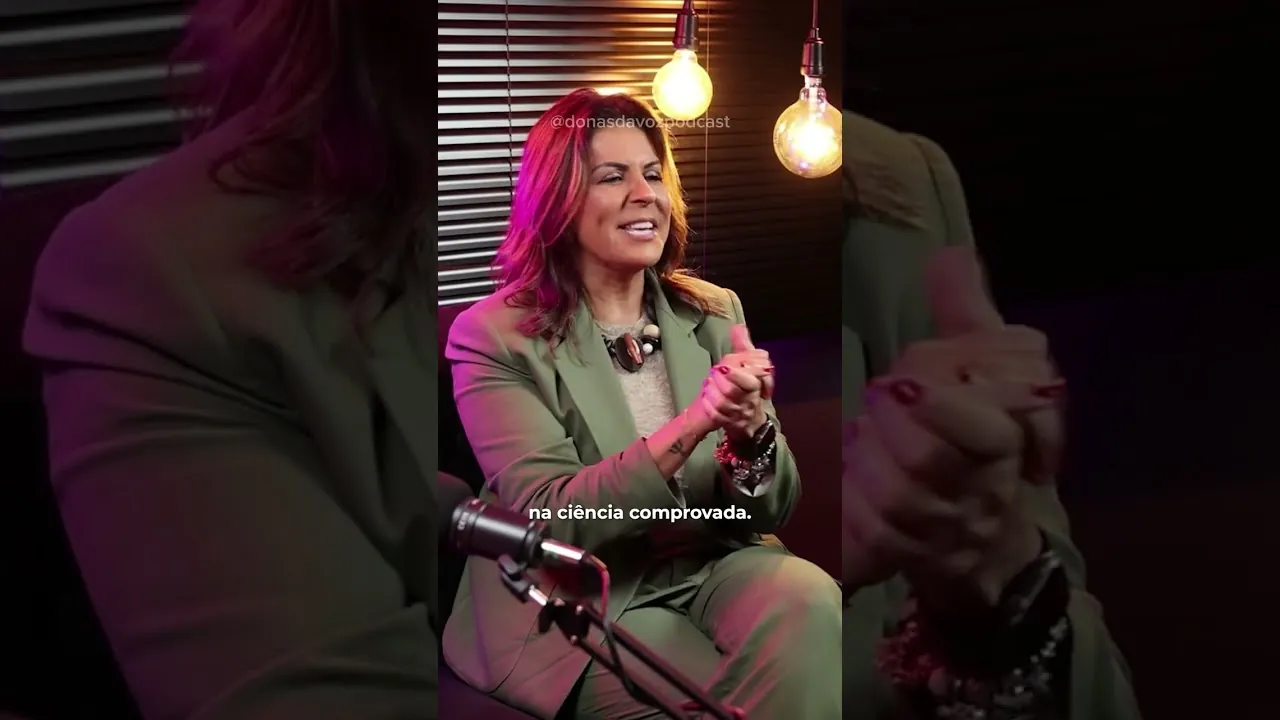
It's crucial to understand that in situations of emotional dependency with a narcissist, the victim should not blame herself. Scientific studies prove that people in this dynamic tend to leave and return to the relationship at least seven times. This demonstrates the complexity of the cycle and the strength of the emotional and psychological bonds that form. It's not weakness; it's the nature of abuse and dependency affecting the mind.
That's why seeking knowledge and support is so important. In Donas da Voz, you'll find a space to understand these dynamics, learn to protect yourself, and above all, empower yourself to build the future you truly deserve.
PUBLICIDADE (GAM) — 1250x250