
How Lara Santana Started Running and Fell in Love with Volume
The Stemma Performance guest explains how an emailed workout plan and the Berlin Marathon paved the way to triathlon.
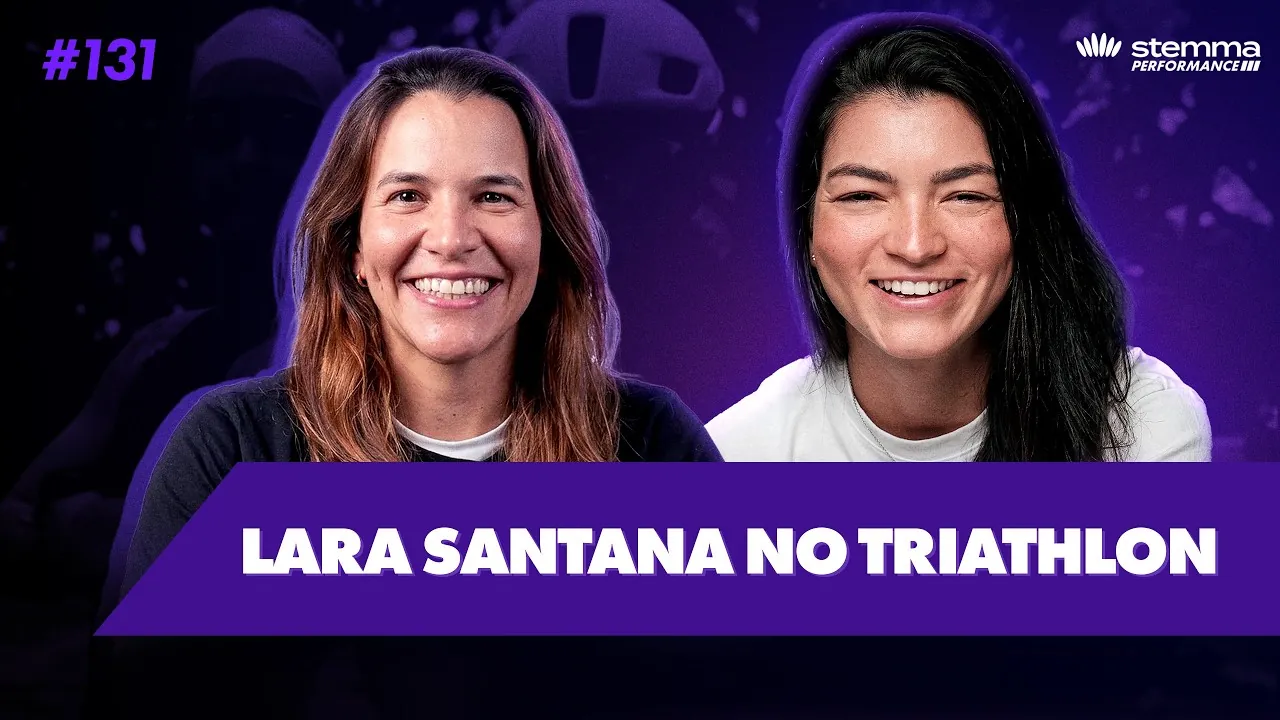
Lara Santana looks back on her first running steps in 2016 alongside her mother and her steady progress toward the Berlin Marathon. She explains why embracing high-volume workouts became the foundation for transitioning to triathlon.
Lara Santana's endurance journey started far from structured training plans or triathlon transitions. In 2016, her first steps in running came at the insistence of her mother, who decided to pick up the sport and did not want to go alone. At the time, with no background in coaching groups or periodization, their routine came down to the basics: lace up their shoes, run until exhaustion, walk to catch their breath, and repeat the process.
The boost from a first training plan and the 5K debut
The turning point in their training happened unexpectedly during a run along the waterfront. Another runner noticed the pair struggling, struck up a conversation, and offered to help. The stranger memorized their email address and sent over a plan designed to help them complete their first 5K without walking. The training worked: both signed up for a race and crossed the finish line together, overcoming their debut jitters and the fear of finishing in last place.
Over time, as distances grew, their preparation gained new layers. Progressing from 5K races to a first half marathon made multidisciplinary support essential, incorporating strength training, physical therapy, and nutritional guidance to support sustainable progress safely.
The Berlin Marathon and a passion for high volume
Her 42 km debut came at the Berlin Marathon, a milestone that cemented her love for high-volume training. It was during marathon prep, while tackling 30 km long runs, that Lara discovered the satisfaction of spending hours in motion—a vital trait for anyone choosing to transition to triathlon.
For Lara, triathlon requires embracing the day-to-day grind. During weeks when training volume reaches 21 hours or workouts demand four hours on the bike in a single day, the key to staying consistent is genuinely enjoying the preparation process as much as race day itself.