 Wellness
Why Men Pull Away: It's Not Always What You Think
Dr. Ddnard Napattalung offers a fresh perspective on why men might become distant, challenging common assumptions.
Ever felt a man suddenly pulled away or became unresponsive? Dr. Ddnard Napattalung explains that this behaviour is often misunderstood. It might not be a lack of interest, but rather a need for space to process feelings, especially when he sees significant potential in a relationship.
In the complex landscape of relationships, the phenomenon of a man suddenly pulling away or seemingly 'ghosting' can be a source of confusion and emotional distress. However, Dr. Ddnard Napattalung offers an insightful perspective, suggesting that the truth behind such actions may be far from what we commonly assume.
PUBLICIDADE (GAM) — 1250x250
Understanding His Need for Space
Often, when a man seems to disappear without explanation, it's not a deliberate attempt to play games or cause hurt. Instead, Dr. Ddnard highlights that it often stems from a fundamental difference in relationship speed. While women, particularly when feeling vulnerable or in unfamiliar situations, may seek clarity and anchor points to feel stable, men, or those operating with what Dr. Ddnard refers to as 'masculine energy', often require space and time.
"We did not pull back," Dr. Ddnard explains, "we just feel that you have the potential to be the right one." This need for solitude isn't a sign of disinterest, but rather a period for internal processing and careful consideration. It's a time to understand their own feelings and build confidence, especially when contemplating a connection with deep potential.
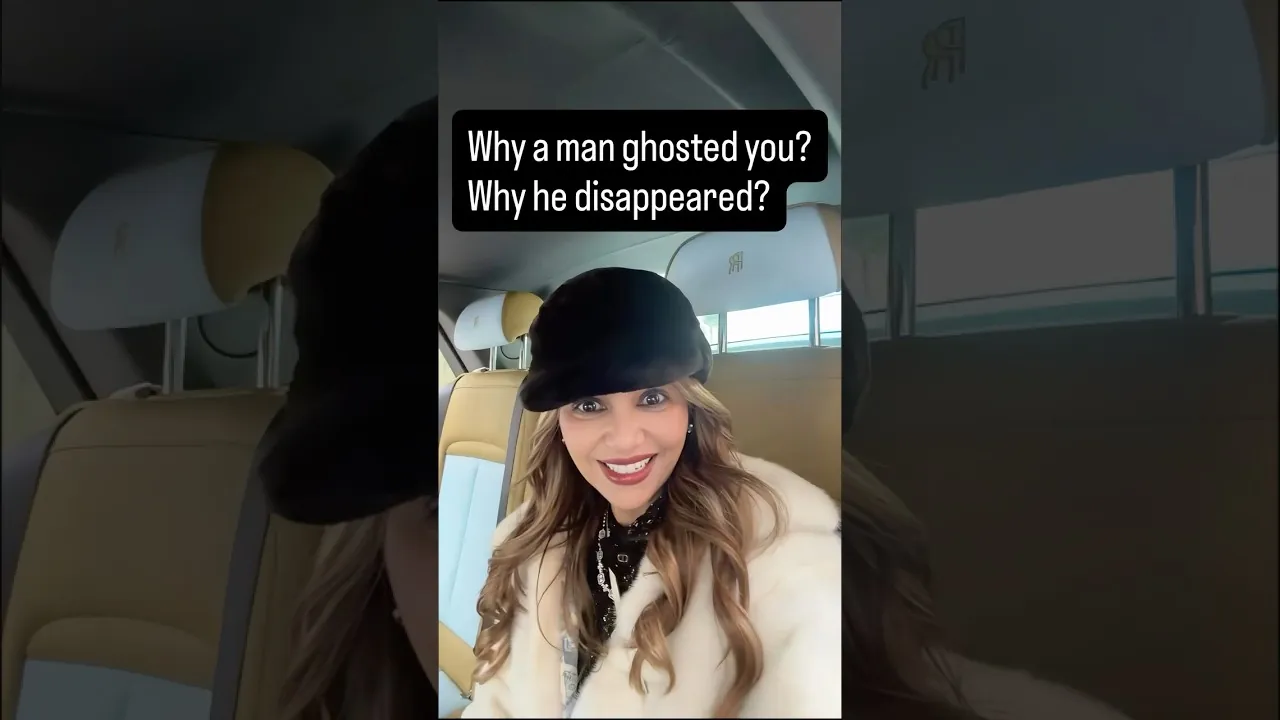
It's About Potential, Not Disinterest
Contrary to the common belief that pulling away signifies a lack of care, Dr. Ddnard suggests that it can be precisely the opposite. When a man perceives significant potential in a woman and a relationship, he might become even more cautious. The greater the perceived value of the connection, the more time and care he dedicates to assessing his readiness and commitment.
"The more we feel that you're the right one," she clarifies, "the more careful we become." This cautious approach can be misconstrued as distance or indifference, leading to misunderstandings. Recognising this dynamic can save a considerable amount of emotional energy, allowing for a more compassionate and understanding interpretation of a man's need for space.
By reframing our understanding of why a man might pull away, we can navigate relationships with greater insight. Dr. Ddnard encourages us to consider that his need for space might actually be a testament to the depth of potential he sees, rather than a sign of a fading connection. This perspective empowers us to respond with patience and understanding, fostering healthier and more resilient relationships.
PUBLICIDADE (GAM) — 1250x250