
Inclusive Language: Avoiding Ableist Phrases for a Welcoming World
Small changes in our way of speaking can transform the world into a more welcoming and fair place for everyone.
Seemingly innocent phrases can reinforce ableism and isolate people. Learn to identify ableist expressions and replace them with more inclusive language. Discover how your words have the power to transform relationships and promote inclusivity.
In the world of Inclusive Education, every word matters. Turma do Jiló, committed to a more welcoming and just society, shares important insights with specialist Sheila Pinheiro (@shepinheiroo) on how language can reinforce or combat ableism. Let's understand how seemingly harmless phrases can have a profound impact and how we can transform them into tools of inclusivity.
What is Ableism and How Does It Manifest?
Ableism is social discrimination and prejudice against people with disabilities, based on the idea that disability is an abnormality that needs to be 'cured' or corrected. It manifests in attitudes, practices, and often, in the very language we use. Phrases that seem harmless but actually reinforce stereotypes and ignore real barriers are clear examples of how ableism is present in our daily lives.
Seemingly Harmless Phrases That Hurt
Specialist Sheila Pinheiro highlights three common phrases that, despite appearing benign, have a significant negative impact:
"You don't even seem like you have that!"
(Examples: autism, ADHD). While it might sound like a compliment, this phrase actually pressures the person to hide their identity and their unique characteristics to be accepted. It suggests that 'normality' is the ideal, and that having a disability or a neurodiverse condition is something to be disguised.
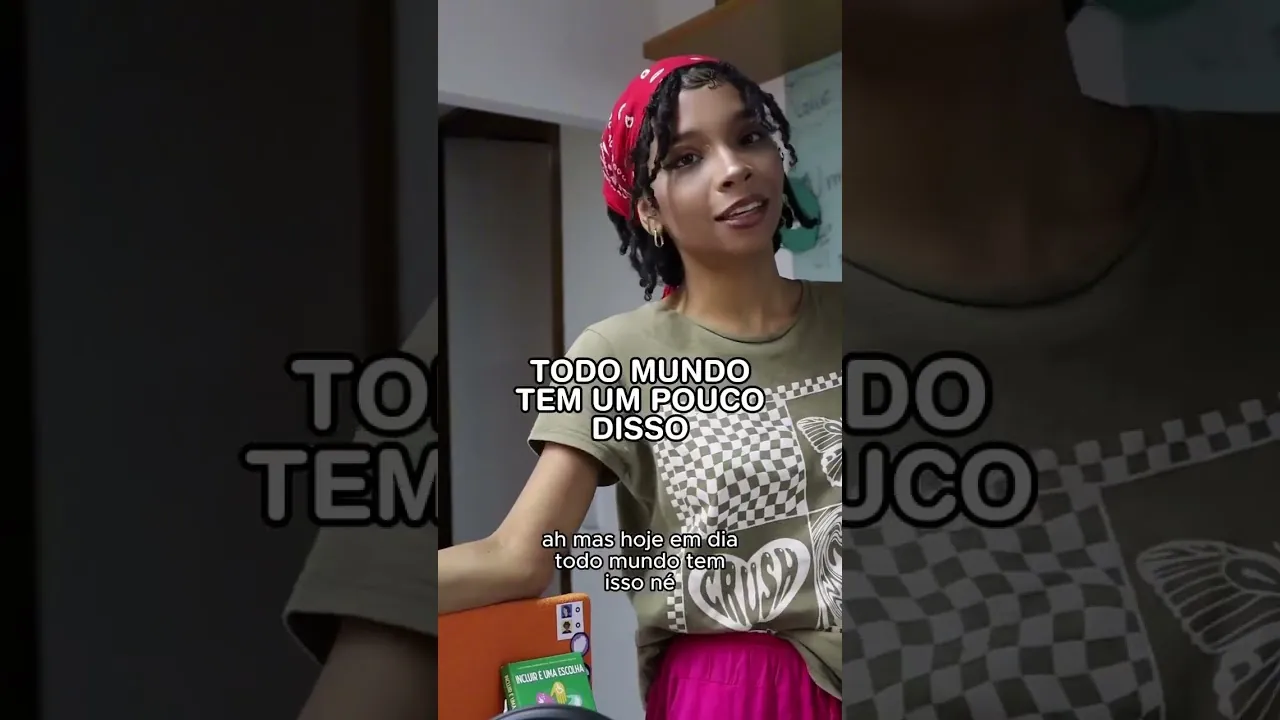
"Oh, but everyone has a little bit of that, right?"
This expression minimizes the individual experience, invalidating the real difficulties and challenges faced by those who truly live with the condition. It silences the person and ignores the existing structural barriers, turning a complex issue into something trivial.
"You just need to try harder."
This phrase carries a heavy burden of guilt. It disregards that many barriers are systemic and do not depend solely on individual effort. It places responsibility solely on the person, ignoring the need for adequate accessibility and support for inclusion.
Building Bridges: The Language of Inclusivity
Our words have the power to transform. How about swapping hurtful phrases for alternatives that welcome and support? Sheila Pinheiro proposes simple, yet powerful changes:
- For "You don't even seem like you have that!", try: "Thank you for trusting me. How can I support you?" — It acknowledges trust and offers practical support, without judgment.
- Instead of "Oh, but everyone has a little bit of that, right?", say: "Thanks for explaining. Would you like to tell me more about what it's like for you?" — It values the individual's experience and invites genuine dialogue.
- Instead of "You just need to try harder.", prefer: "What can we do to make this more accessible for you?" — It focuses on solutions and barrier removal, promoting active and shared inclusion.
The Impact of Our Words
Remember: ableism is not just about intent, but primarily about the impact of our words and actions. Our linguistic choices have immense power to build or dismantle barriers. By opting for inclusive language and active listening, we contribute to a world where no one has to hide who they are and where everyone feels truly welcomed. Share this reflection and be part of this transformation! After all, here, no one gets left behind.