
Empathy: Perceive, Understand, and Connect in Daily Life
Discover how empathy transforms relationships, environments, and your own life
The Turma do Jiló team, with Carolina and Sheila, unpacks true empathy, moving beyond simply 'putting yourself in someone else's shoes.' Learn to develop this essential skill through self-awareness, active listening, and understanding different perspectives. With practical exercises, you can start transforming your interactions today.
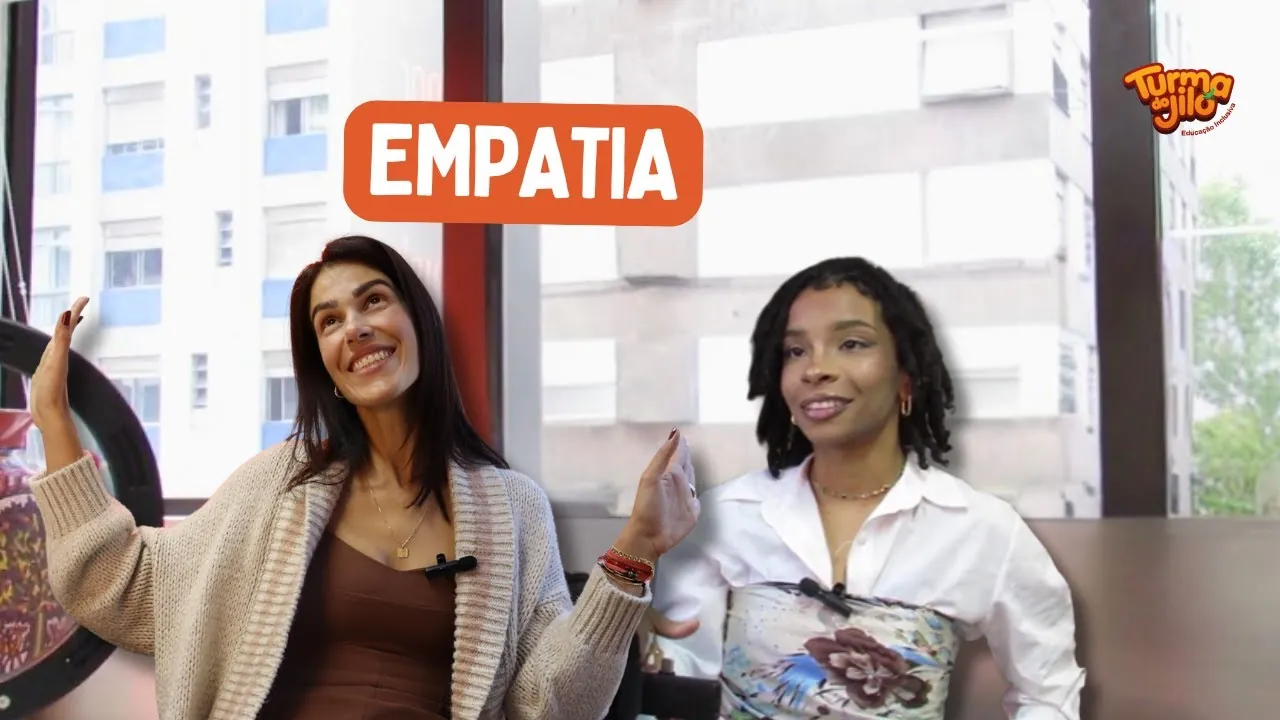
On the Turma do Jiló channel, Carolina and Sheila invite us on a journey to demystify empathy, a concept that goes far beyond the cliché of “putting yourself in someone else's shoes.” They explore how this skill can transform our relationships and environments, fostering a more inclusive and understanding world.
The True Meaning of Empathy
For Turma do Jiló, empathy is structured on three fundamental pillars:
- 1. Perception: This is the ability to notice and identify others' feelings, even without words. It's recognizing sadness, fatigue, anger, or joy in another person before they even express it.
- 2. Understanding: After perceiving, we seek to comprehend the reason behind that feeling. What is the story, the context that led the person to feel that way?
- 3. Connection: The deepest point. When we allow ourselves to access a vulnerable feeling of our own that brings us closer to the other's experience. It's not about feeling for others, but with them.
Real Impacts of Empathy
Studies prove the power of empathy. In corporate environments, for example, 76% of employees with empathetic leaders feel more engaged. But its benefits extend far beyond work, positively impacting our mental health, strengthening bonds of trust, and helping us navigate life with fewer conflicts.
Developing Empathy: A Step-by-Step Guide
Empathy is a skill that can be trained by anyone, at any age, thanks to our brain's plasticity. There's no one-size-fits-all recipe, but some steps are crucial:
- Self-awareness: How can we understand others if we don't understand our own feelings? Pause and reflect: why do I feel this way? Recognizing anger, joy, sadness, fear, and disgust in yourself is the first step.
- Active Listening: Don't wait for your turn to speak. Listen with full attention, asking questions like: "How was that for you?" The secret is to suppress judgment and focus on intentional listening.
- Understanding the Other's Perspective: This is a key point. It's not about thinking "how would I feel in this situation?" but rather about understanding that person's story, their fears, achievements, and challenges. It's about connecting with the other's place.
Empathy in Daily Life: Practical Exercises
Want to put empathy into action? Try these three simple exercises:
- 1. Listen Without Interruption: Invite someone to talk and agree: for two minutes, only that person speaks, and you listen. Don't give advice, don't tell your own story. Afterward, repeat back to the person what you understood about their upset, from your perspective.
- 2. Observe Emotions: On the bus, in the supermarket line, observe people. Try to identify what they might be feeling and what their bodies express. It's a silent training to recognize physiological cues.
- 3. Understand Different Points of View: When you disagree with someone, write down three reasons why they might be thinking that way. You don't have to agree, but exercising the understanding of multiple perspectives broadens your perception.
Sheila shares a practical example from Turma do Jiló: her daily commute difficulties, which caused delays. Instead of judgment, the team exercised empathy, seeking to understand her reality. They realized Sheila lived further away and had to leave very early. The solution? Flexibilize her work schedule. This demonstrates that inclusion benefits everyone, not just specific groups, by creating more just and equitable environments.
Empathy is about perceiving, understanding, and connecting with others' feelings, suppressing our judgment. The path involves self-awareness, true listening, and openness to different perspectives. How about starting to practice one of these exercises this week? Your experience can inspire others to build a more welcoming and understanding world.