
Flamengo Wins Maracanã Dispute Against Vasco in Court
Rio de Janeiro court denies Vasco's injunction to host Copa Sudamericana semifinal against Boca Juniors at the Maracanã.
A Rio de Janeiro court denied Vasco's injunction request to host their Copa Sudamericana semifinal against Boca Juniors at the Maracanã. The ruling favors the Fla-Flu Serviços consortium managing the venue. Here is a breakdown of the legal analysis and backstage dispute.
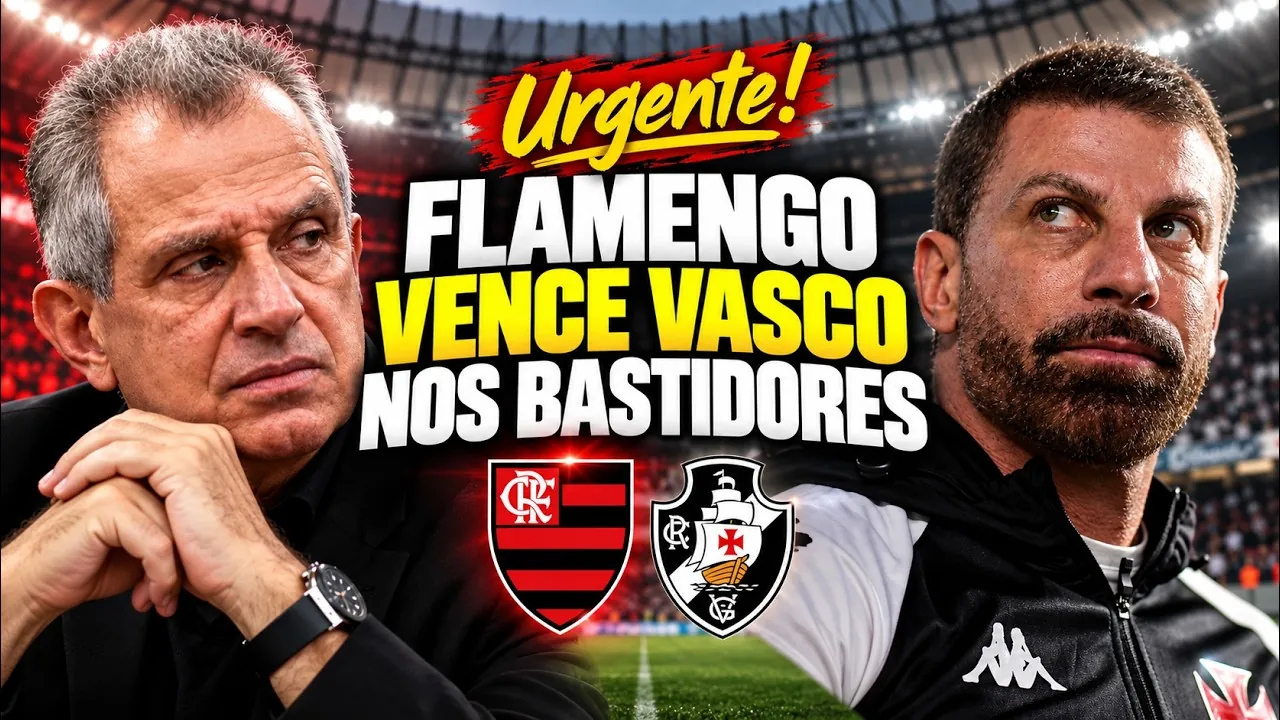
A Rio de Janeiro court denied Vasco's request for an injunction to use the Maracanã for its Copa Sudamericana semifinal clash against Boca Juniors. The decision marks a backstage legal victory for Flamengo and the Fla-Flu Serviços consortium management.
In the video above, Bernardo Ramos analyzes the fallout of the legal dispute and the core arguments backing the court's rejection. The presiding judge emphasized that the judiciary lacks the jurisdiction to evaluate pitch conditions or directly interfere in operational management, leaving the ultimate decision to the stadium concessionaire.
Contract Validity and Missing Signature
The dispute over Vasco's alleged right to host four matches at the Maracanã runs into a formal legal flaw. Although Vasco, Flamengo, and Fluminense signed the initial agreement, the Fla-Flu Serviços consortium never signed the document. Consequently, the contract lacks the legal validity required to compel the stadium's release.
Maintenance Costs and Concession Model
According to Bernardo, club president Pedrinho is fueling unnecessary friction by threatening to relocate matches to São Januário in retaliation. In the last derby held behind closed doors at Vasco's stadium during the pandemic, Flamengo came from behind to win 2-1. Bernardo noted that Vasco avoided taking on losses and upkeep costs for the Mário Filho Stadium in the past and is now seeking to benefit from the venue during a favorable 28-year concession that demands continuous investment—such as replacing the roof, as highlighted by journalist Mauro César on the Posse de Bola program.
The Evolving Landscape of Sports Administration
The private concession framework departs from the former state-run management model under SUDERJ. Bernardo compares the case to the Engenhão, built with public funds for the Pan American Games and later leased to Botafogo under then-mayor César Maia. With management handed over to private entities that shoulder operating expenses and liabilities, the use of the Maracanã must comply with contractual criteria established by the governing concessionaire.