
Flamengo Could Lose 20% of Budget Over Betting Ban
A potential ban on betting sponsorships threatens the multi-million Betano deal and will test Bap's leadership.
Flamengo could suffer a major financial hit if President Lula's proposal to ban sports betting ads in Brazil moves forward. The club stands to lose 20% of its annual budget tied to its main Betano sponsorship deal.
Flamengo faces a considerable budgetary challenge if President Lula's bill banning sports betting ads moves forward in Brazil. According to reporting and analysis by journalist Rodrigo Mattos on UOL, the restriction could wipe out 20% of the club's budget, directly impacting its main shirt sponsorship deal with Betano.
The current contract with the bookmaker runs through 2028 and brings in R$ 268 million per year to the club's coffers. Any approval of the measure would cause a ripple effect across Brazilian football, as most top-flight clubs, including Palmeiras, feature betting brands on the front of their shirts.
Market alternatives and financial credibility
Faced with this scenario, the board led by President Bap will need to find commercial alternatives. According to Rodrigo Mattos, Lubrax—a historic sponsor that began backing the club in 1984 and currently occupies the back of the shirt—has already expressed interest in the primary sponsorship slot. However, the brand's investment would be substantially lower than the amounts paid by betting companies.
According to Bernardo, the strength of the marketing department and the club's institutional credibility give Flamengo an advantage in securing new revenue streams. Even though Corinthians operates in the lucrative consumer market of São Paulo—the city with the largest GDP in Latin America—Bernardo argues that the Rio club's financial stability and transparent governance make it far more appealing to major corporate brands, contrasting with the political and financial turmoil facing its São Paulo rival.
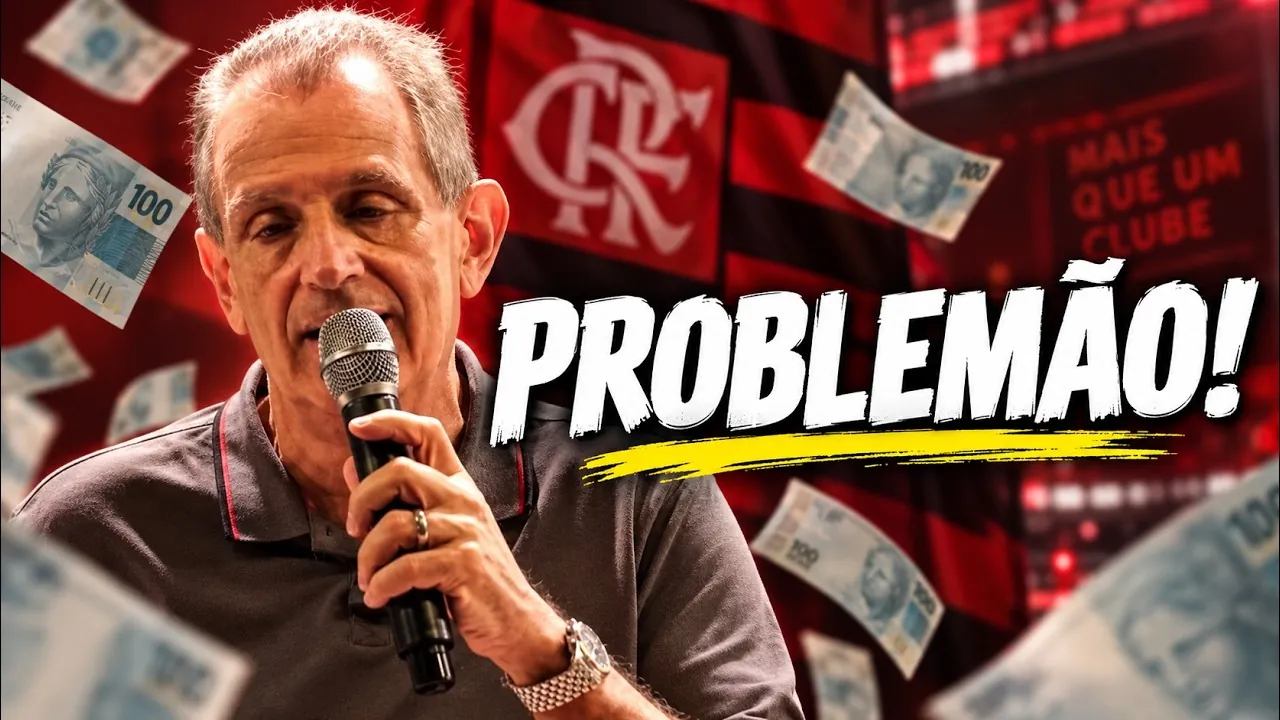
In the video above, Bernardo Ramos analyzes the scale of this financial impact and discusses Flamengo's bargaining power in the face of an unavoidable overhaul in sports sponsorship.
Contradictions in the advertising ban debate
Addressing the debate surrounding the ban, Bernardo also pointed to the situation in England, where front-of-shirt betting sponsorships face restrictions while state-backed funds face far less scrutiny. He noted that Newcastle United is owned by the sovereign wealth fund tied to the government of Saudi Arabia's Mohammed bin Salman, while Manchester City is owned by the Emirate of Abu Dhabi, highlighting inconsistencies in the standards applied across international leagues.